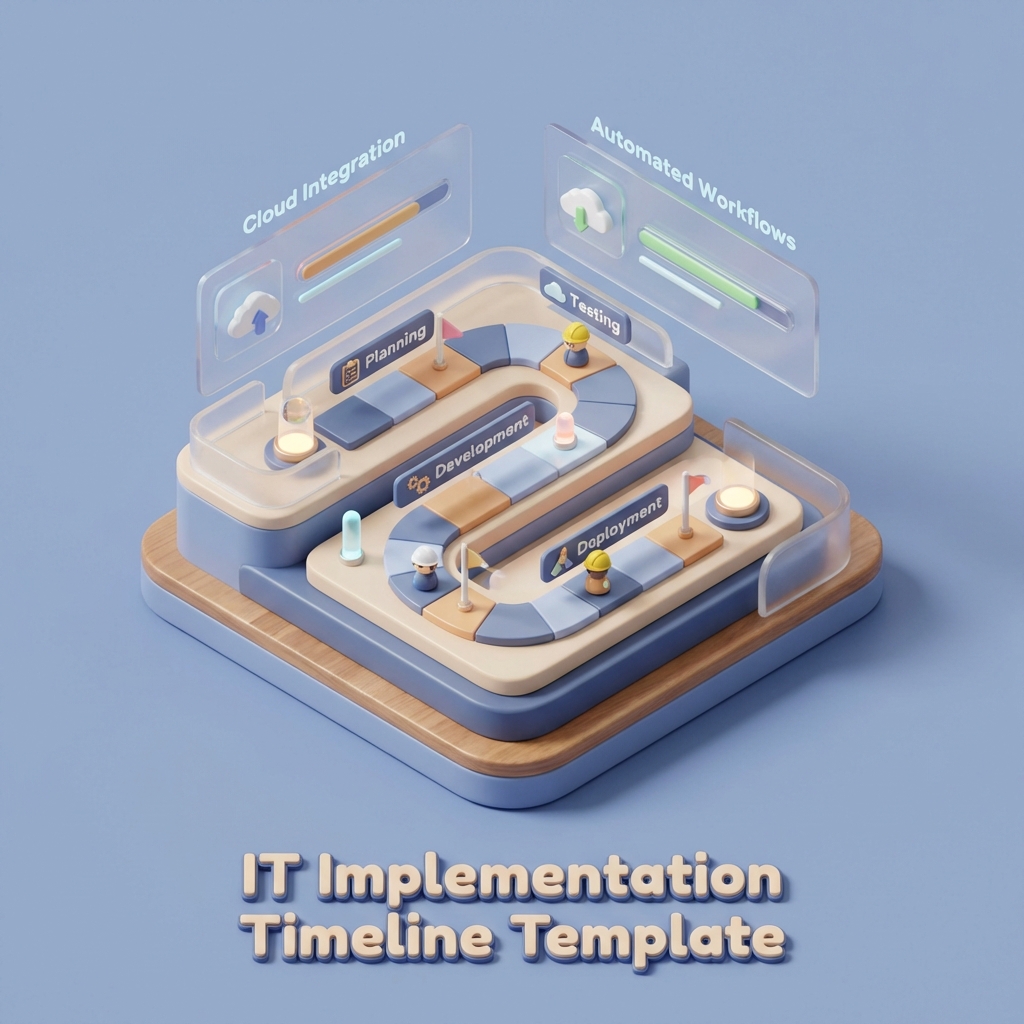
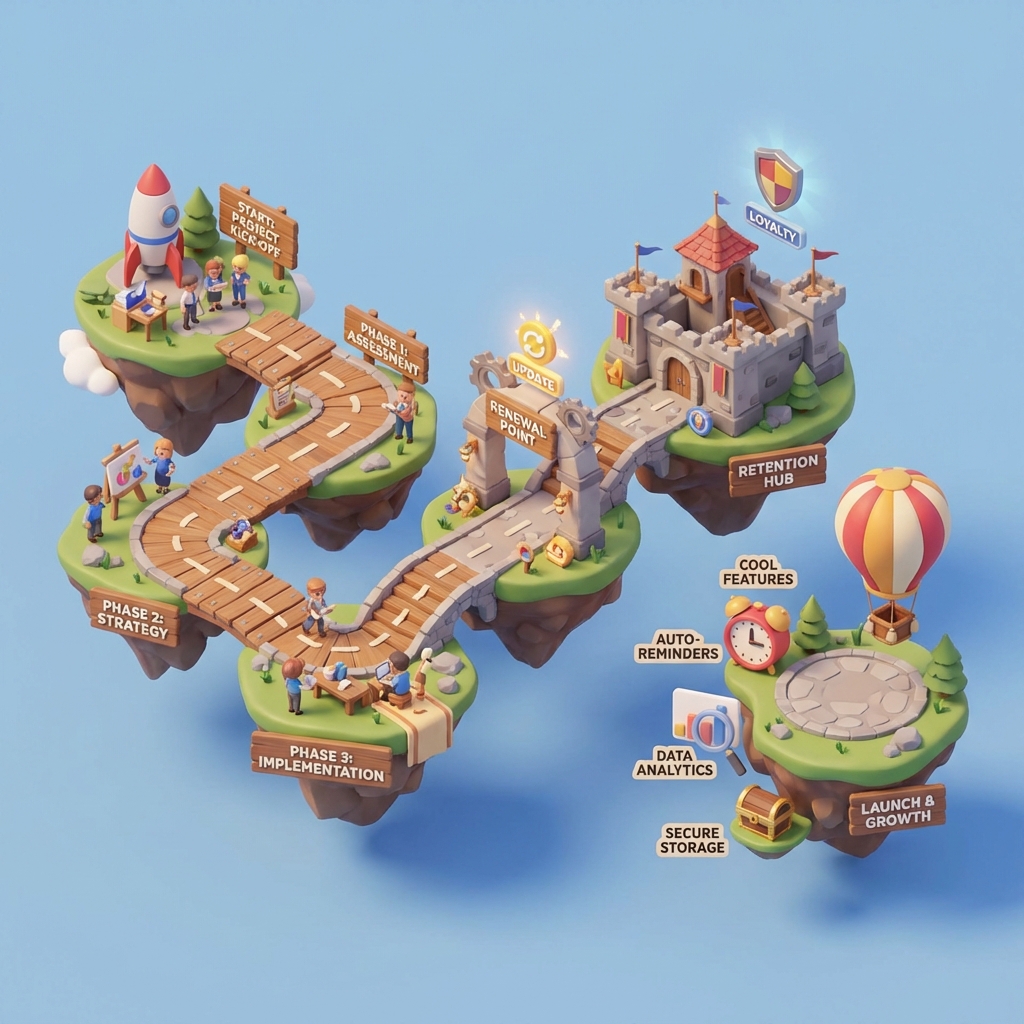
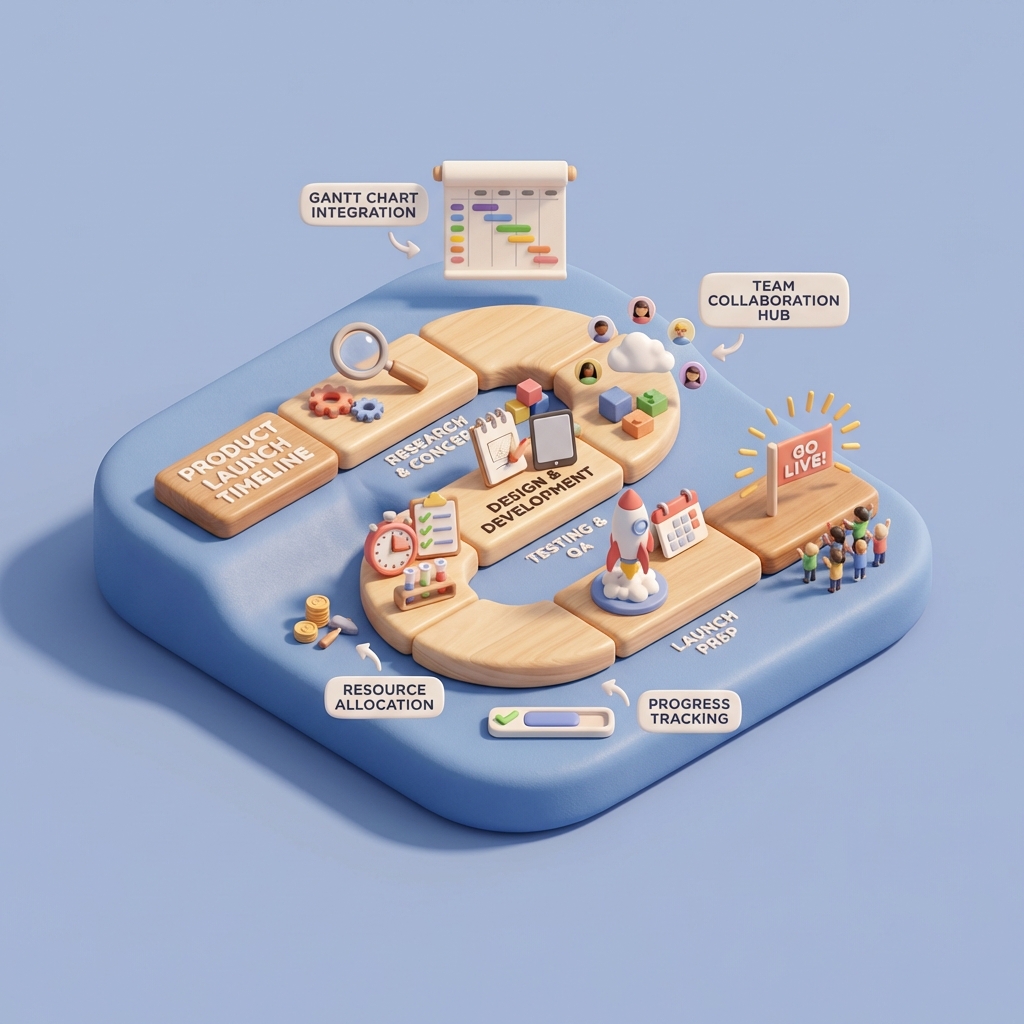
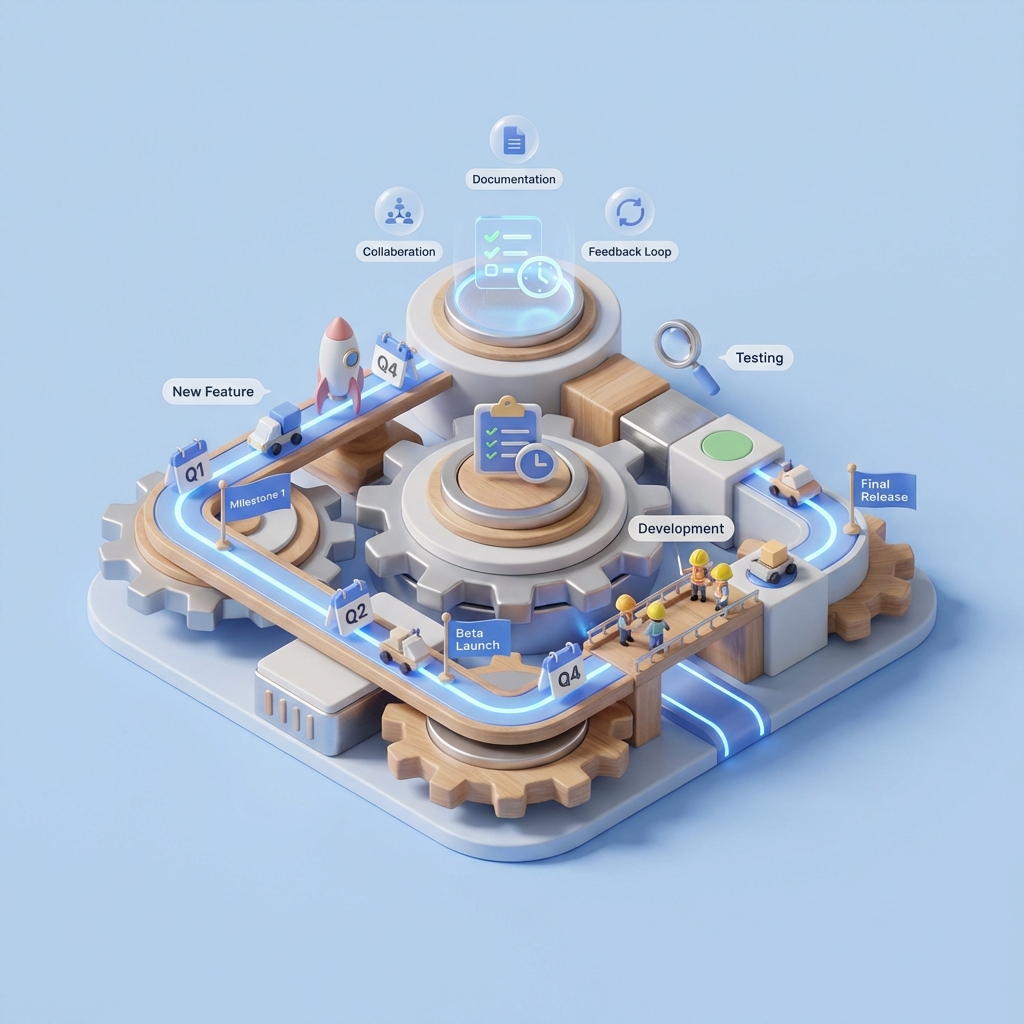
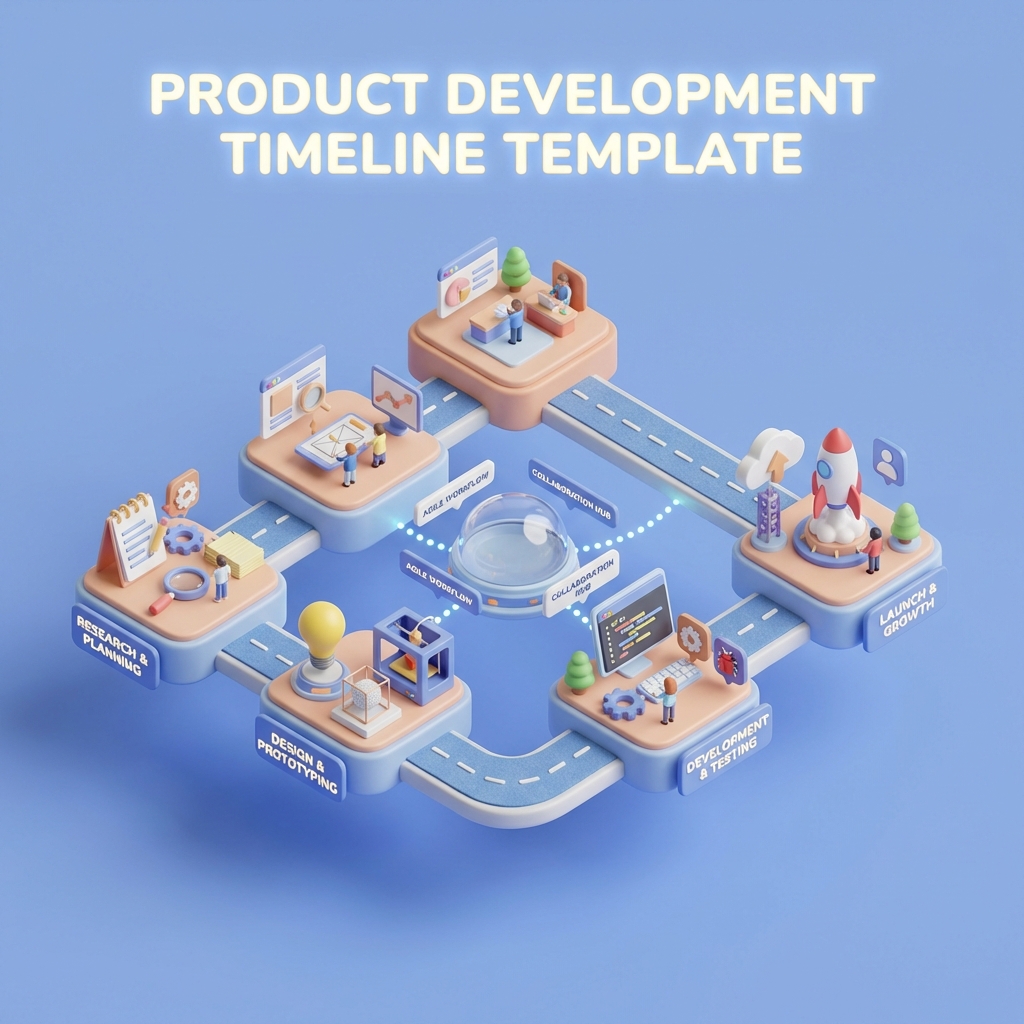
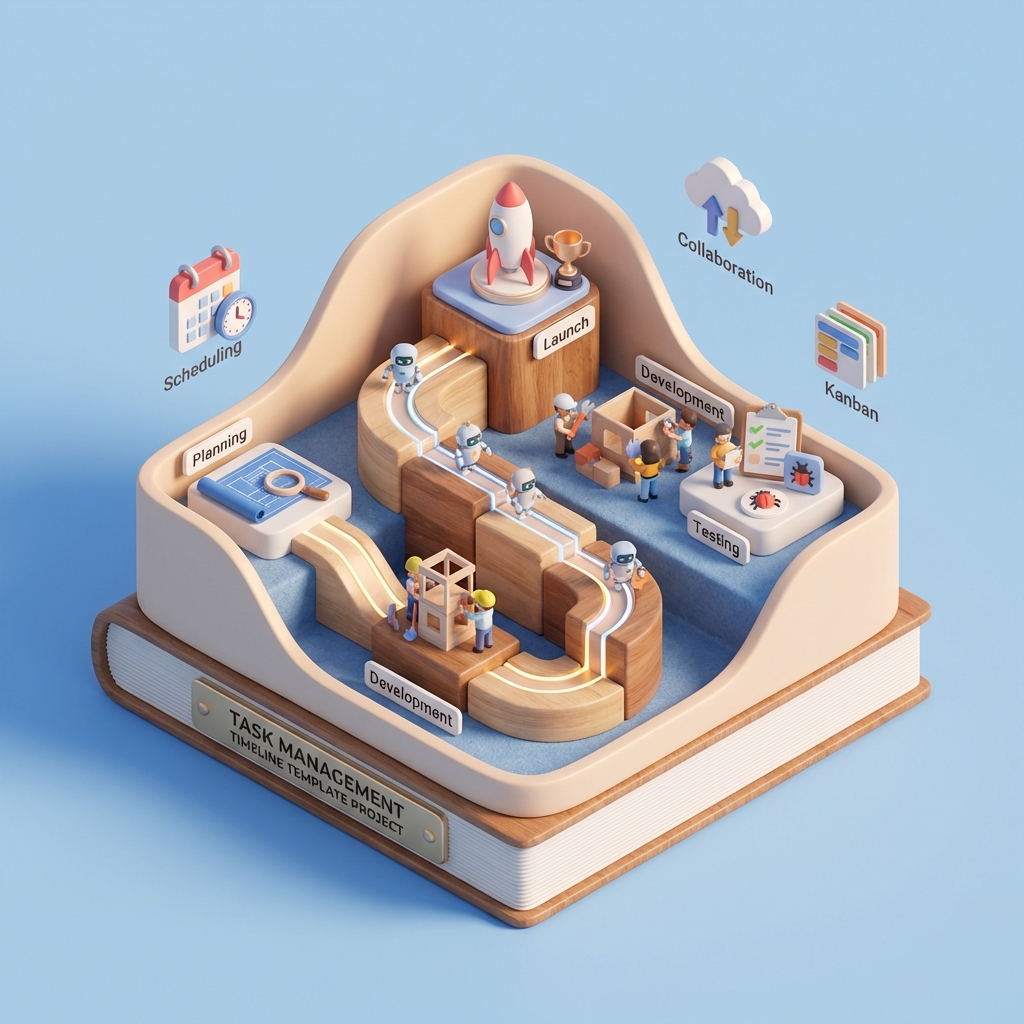
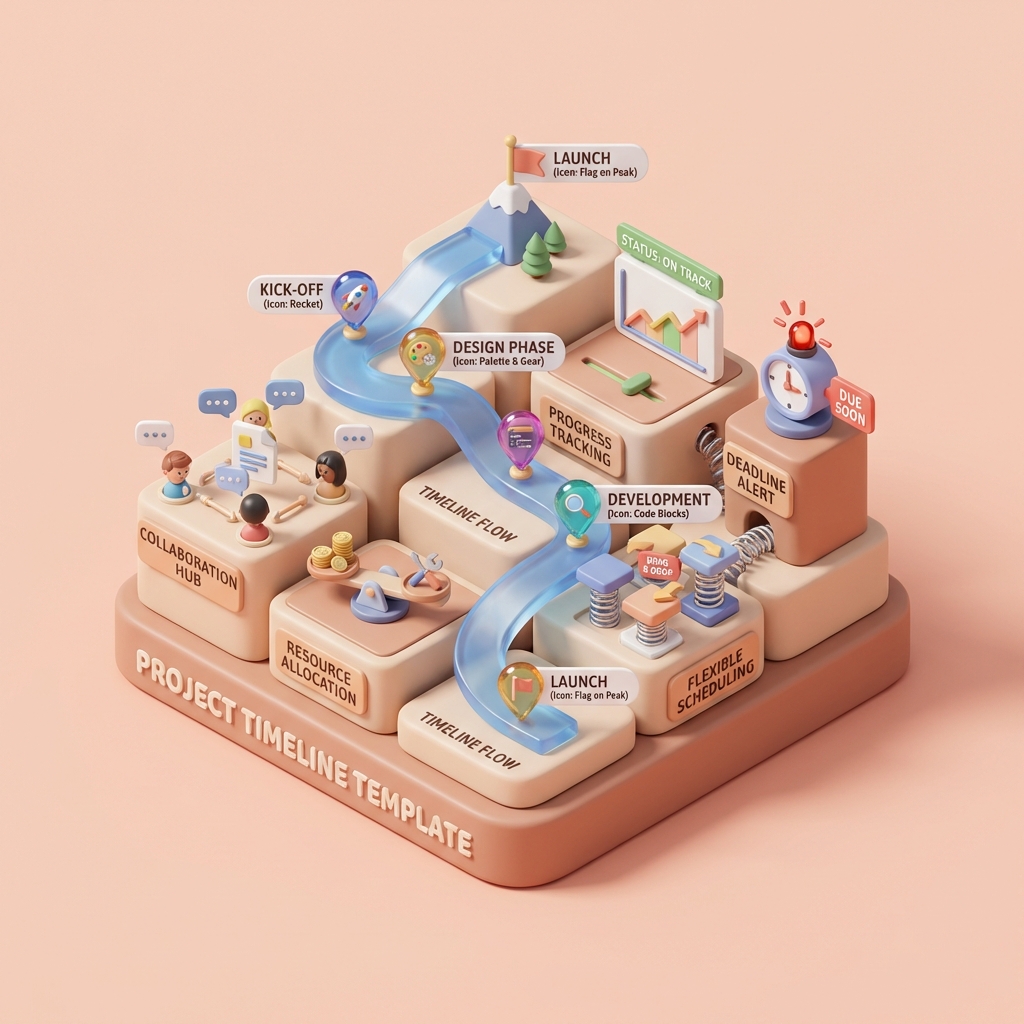
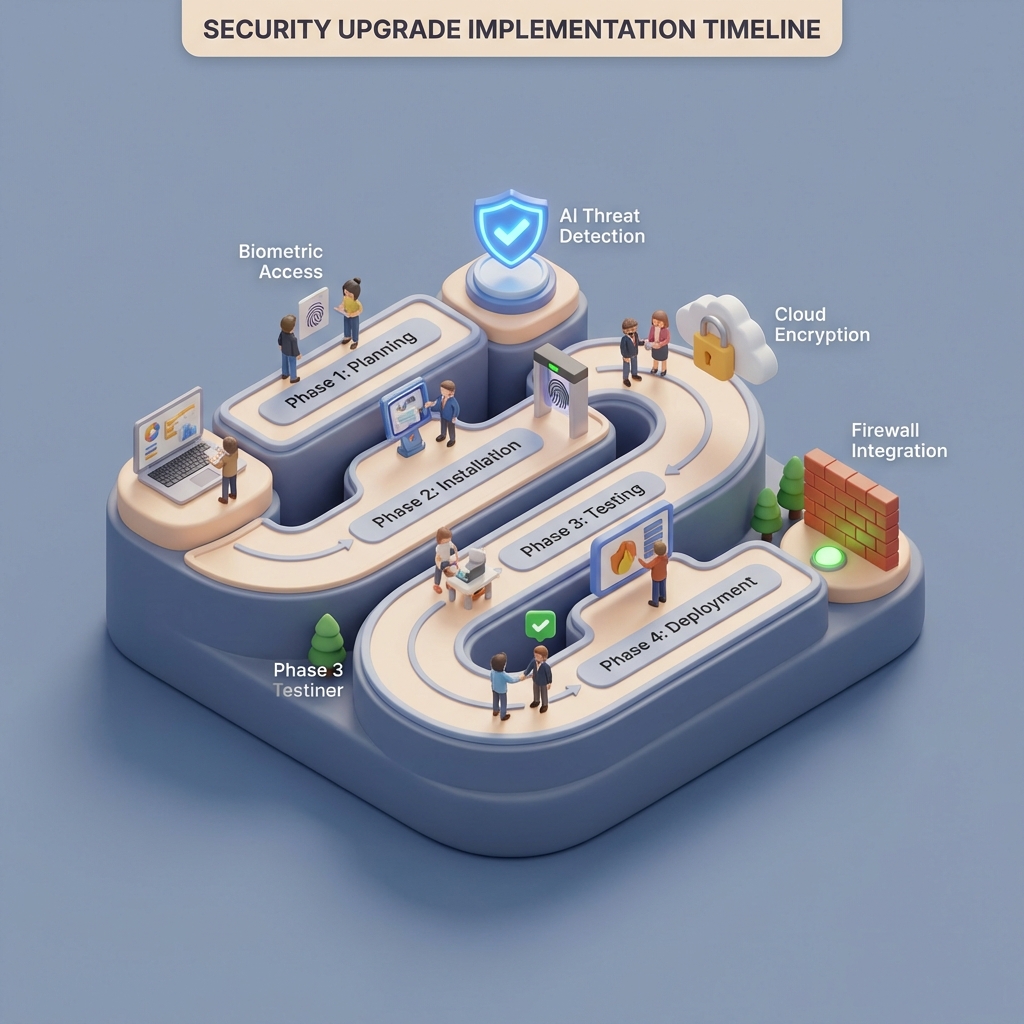
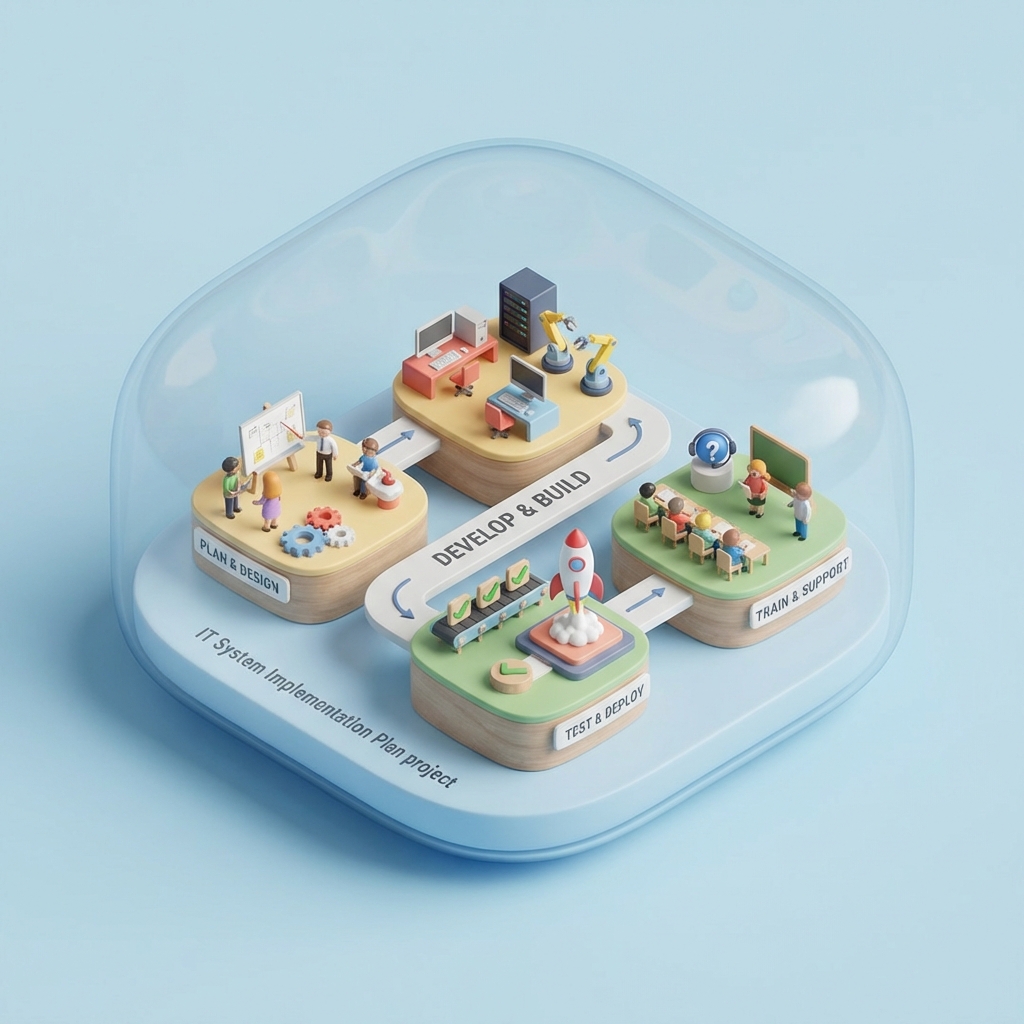
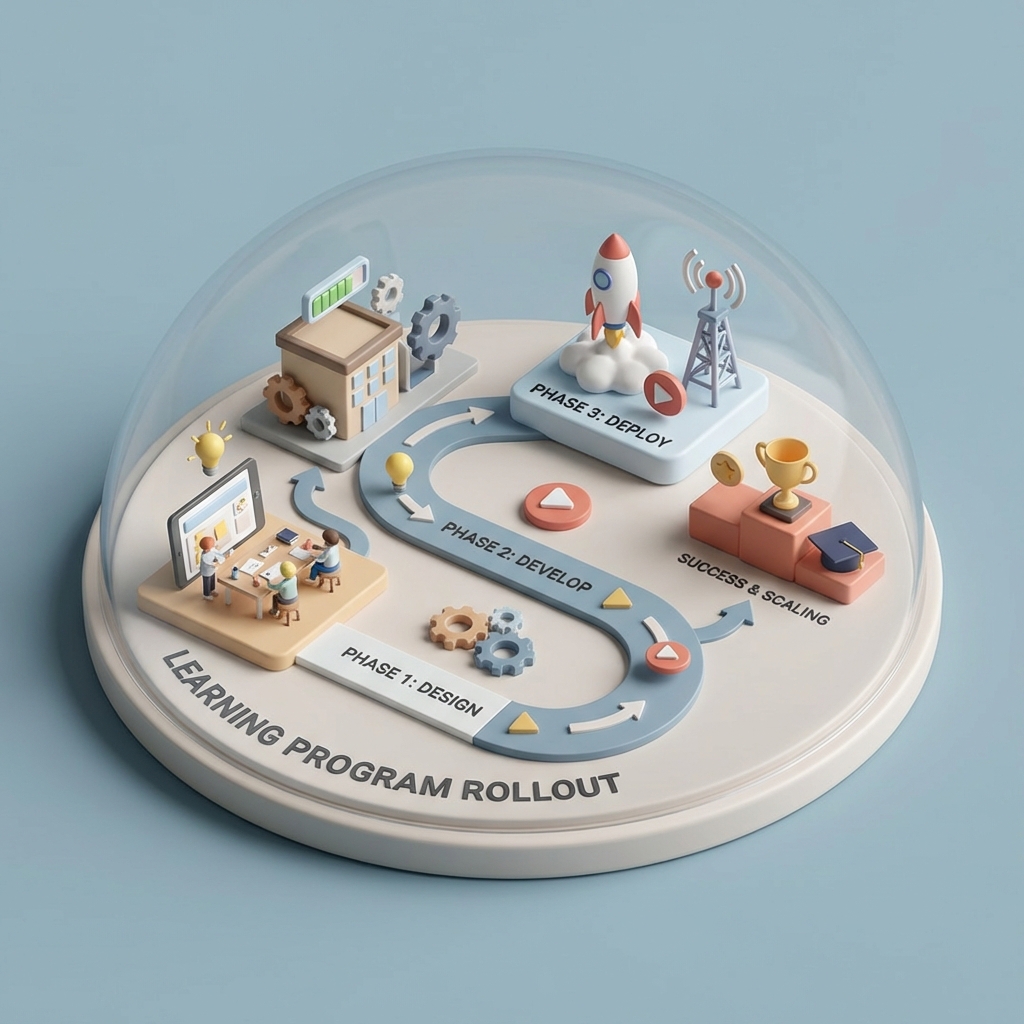
Implementing real-time reporting systems requires careful planning and coordination across multiple teams. This timeline helps organizations track the complete process from initial assessment through deployment, ensuring stakeholders stay informed about progress, milestones, and potential bottlenecks throughout the implementation journey.
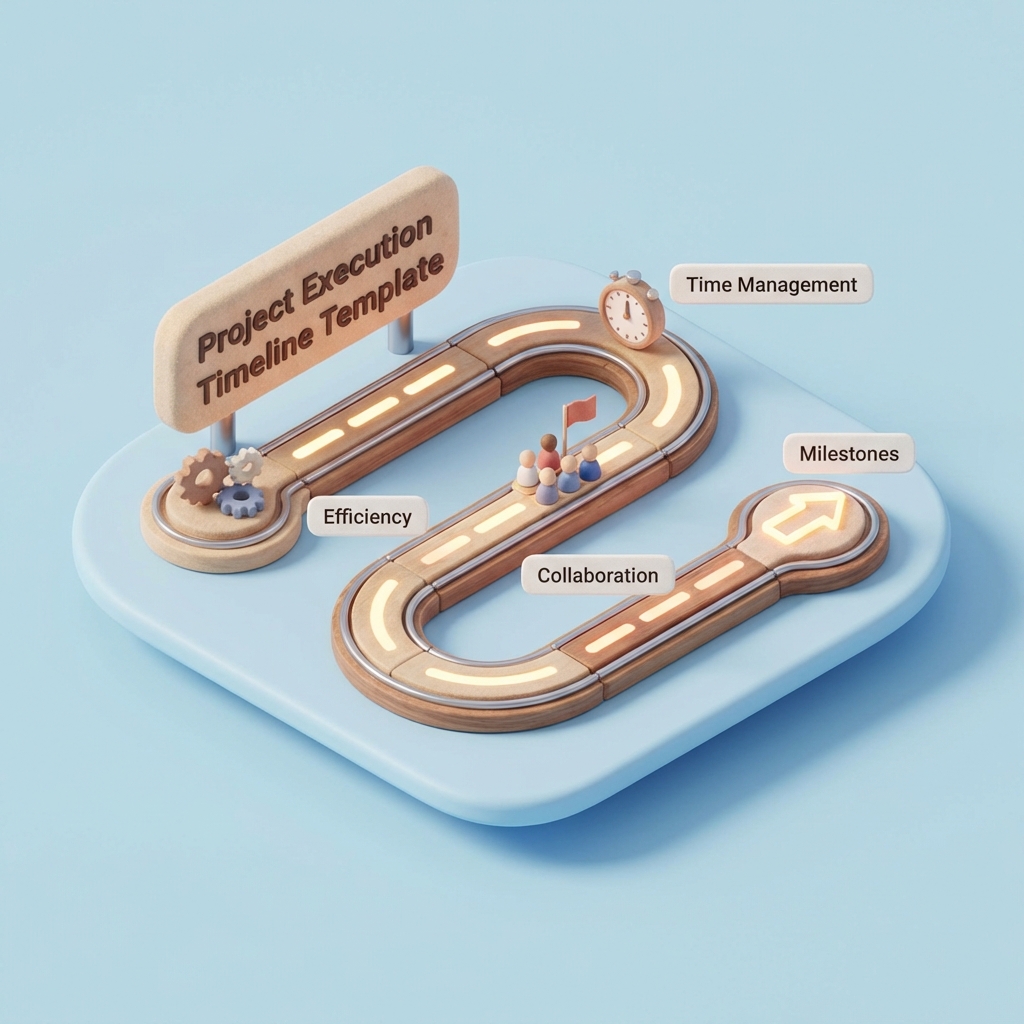
Real-time reporting implementation refers to the process of establishing systems and processes that enable organizations to access, analyze, and visualize data as it's generated. Unlike traditional reporting that provides historical snapshots, real-time reporting delivers immediate insights that allow businesses to make informed decisions quickly and respond to changing conditions promptly. This implementation involves integrating various data sources, setting up automated data pipelines, and creating interactive dashboards that update continuously.
In today's fast-paced business environment, timing is everything. Real-time reporting provides organizations with the competitive advantage of immediate visibility into their operations, customer behavior, and market conditions. This capability enables businesses to identify opportunities and threats as they emerge, optimize processes on the fly, and deliver better customer experiences through rapid response times.
A successful real-time reporting implementation requires careful consideration of several critical components:
Organizations often face several challenges when implementing real-time reporting systems. Data quality and consistency across multiple sources can be problematic, requiring significant effort to standardize and clean data streams. Technical complexity increases as systems need to handle high-volume, high-velocity data processing while maintaining performance and reliability. Additionally, organizational change management becomes crucial as teams must adapt to new workflows and decision-making processes based on real-time insights.
Managing a real-time reporting implementation project requires precise coordination and timeline management. Instagantt's Gantt chart capabilities provide the perfect solution for tracking complex implementation phases, dependencies, and resource allocation. With Instagantt, project managers can visualize the entire implementation journey, from initial requirements gathering through final deployment and user training.
The platform enables teams to identify critical path activities, manage cross-functional dependencies, and ensure that technical and business stakeholders remain aligned throughout the process. Real-time progress tracking helps prevent delays and ensures that implementation milestones are met on schedule.
Start planning your real-time reporting implementation with a comprehensive timeline that keeps your entire team synchronized and focused on successful delivery.

Start managing your projects efficiently & never struggle with complex tools again.