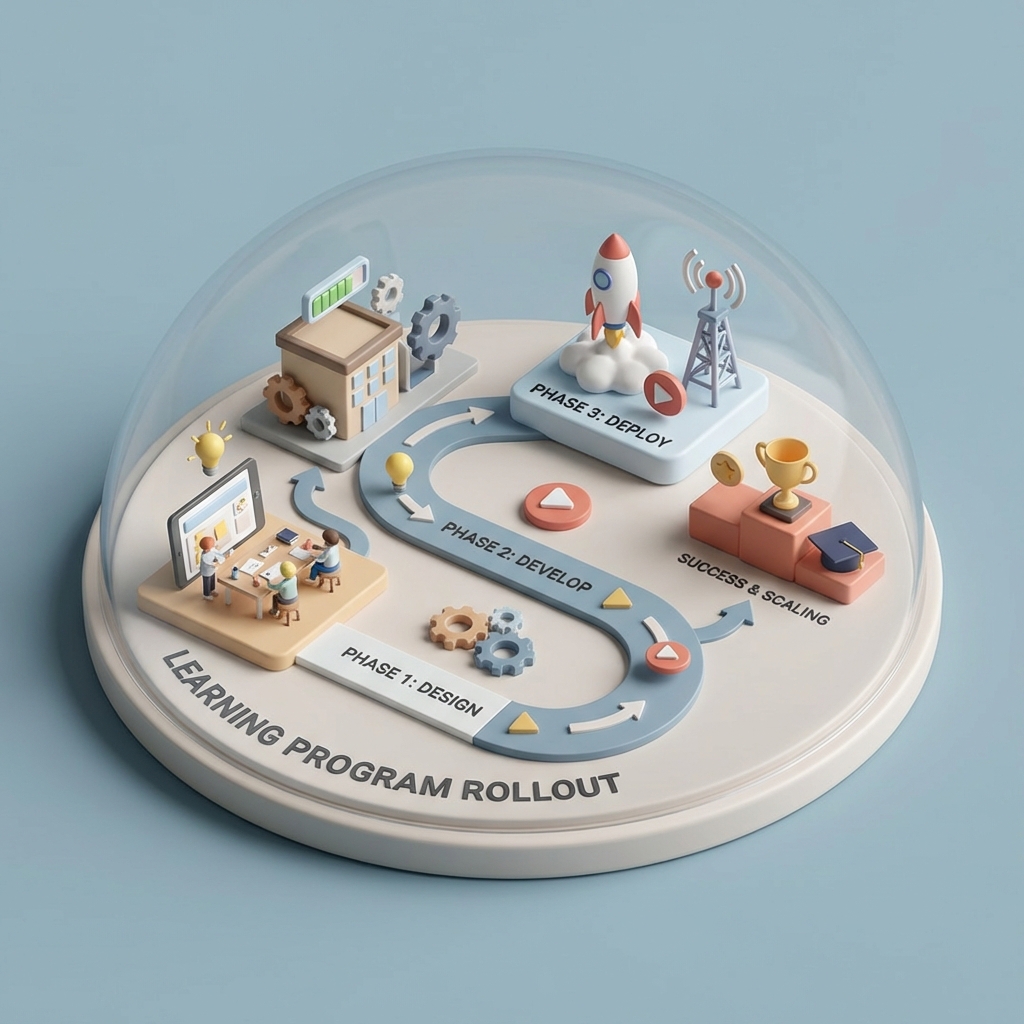
Robotics Process Automation (RPA) transforms business operations by automating repetitive tasks through software bots. Successfully implementing RPA requires careful planning, from process identification and bot development to testing, deployment, and ongoing maintenance to maximize efficiency and ROI.
Robotics Process Automation (RPA) is a technology that uses software robots or "bots" to automate repetitive, rule-based business processes. These digital workers can mimic human actions like clicking, typing, copying data, and navigating between applications, but they work 24/7 without errors or breaks. RPA enables organizations to streamline operations, reduce costs, and improve accuracy while freeing up human employees to focus on more strategic, creative tasks that require critical thinking and decision-making.
Organizations across industries are embracing RPA for its numerous advantages. Cost reduction is often the primary driver, as bots can perform tasks at a fraction of the cost of human labor. Improved accuracy eliminates human errors in data entry and processing, while enhanced compliance ensures consistent adherence to regulations and business rules. RPA also provides scalability - you can deploy additional bots during peak periods and scale down when needed, offering unprecedented operational flexibility.
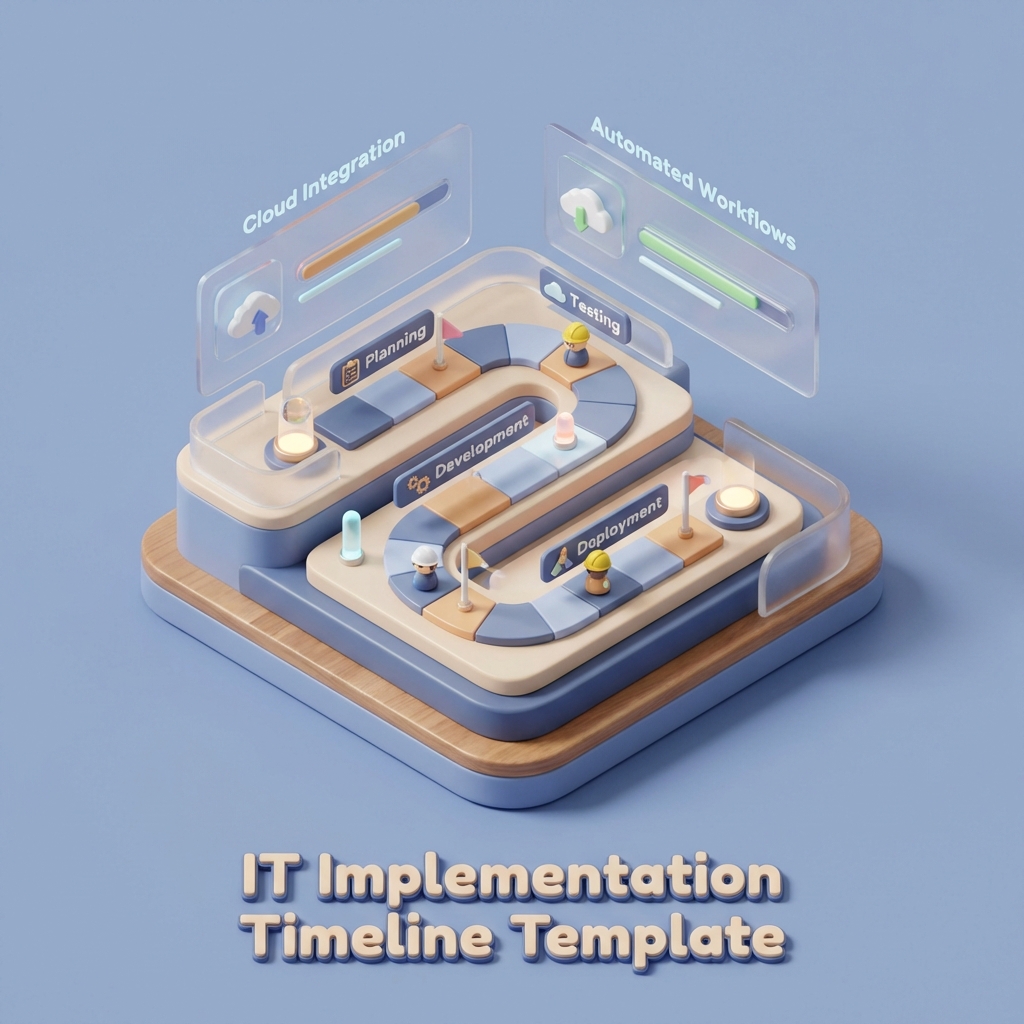
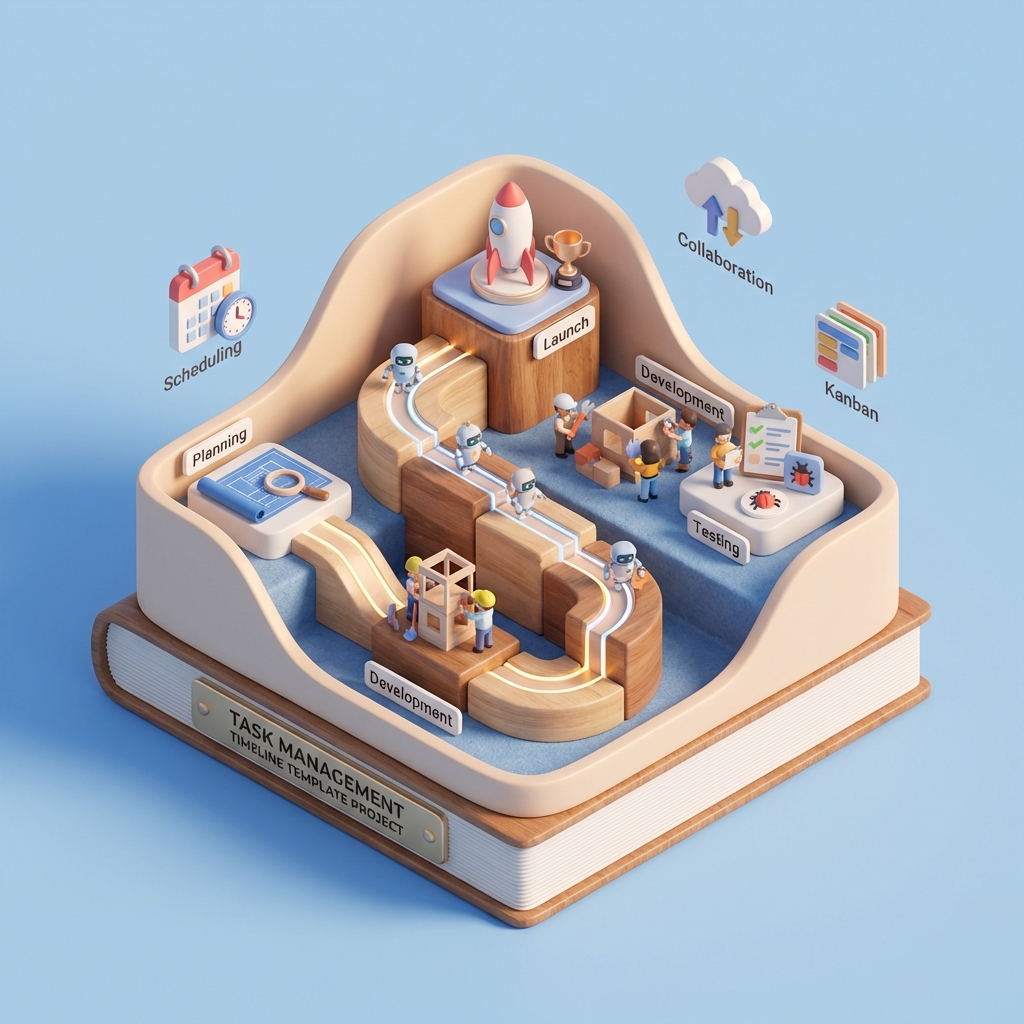
A successful RPA deployment requires systematic planning and execution across several critical phases:
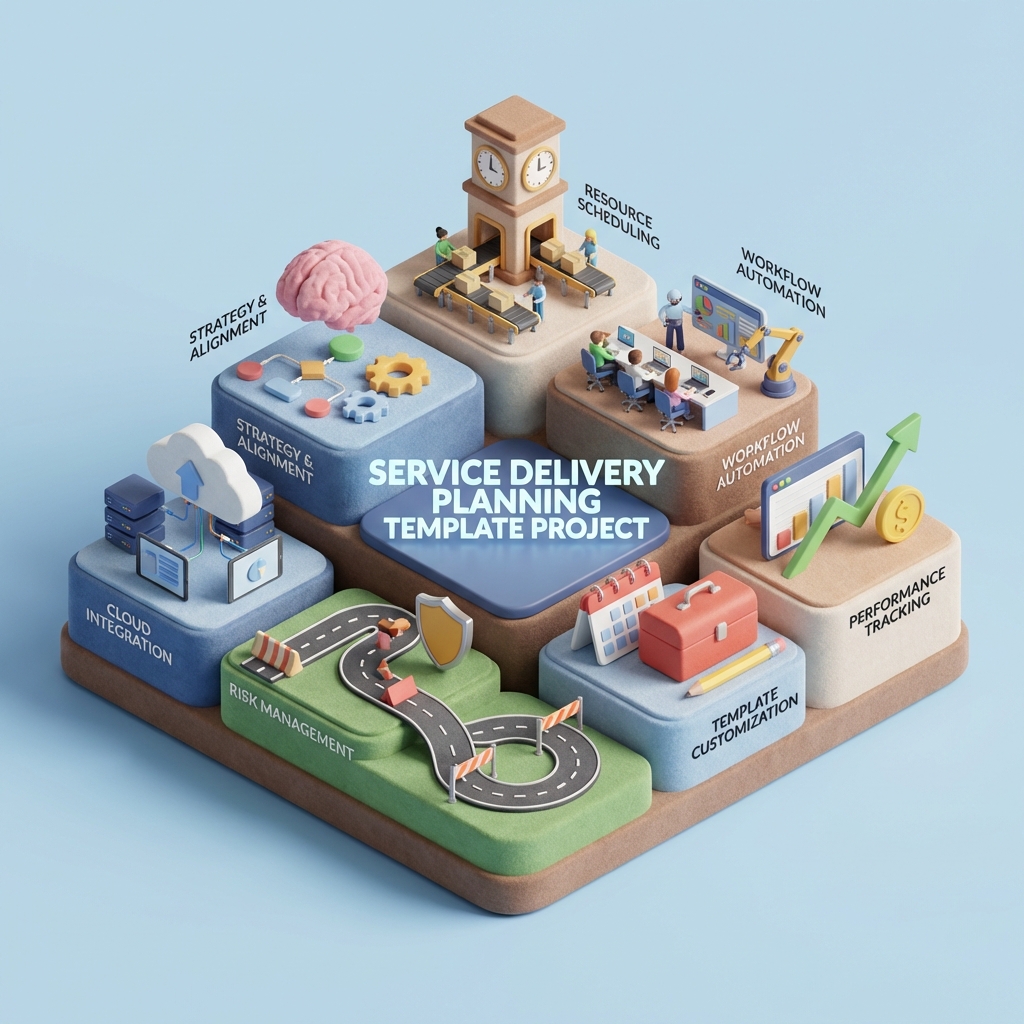
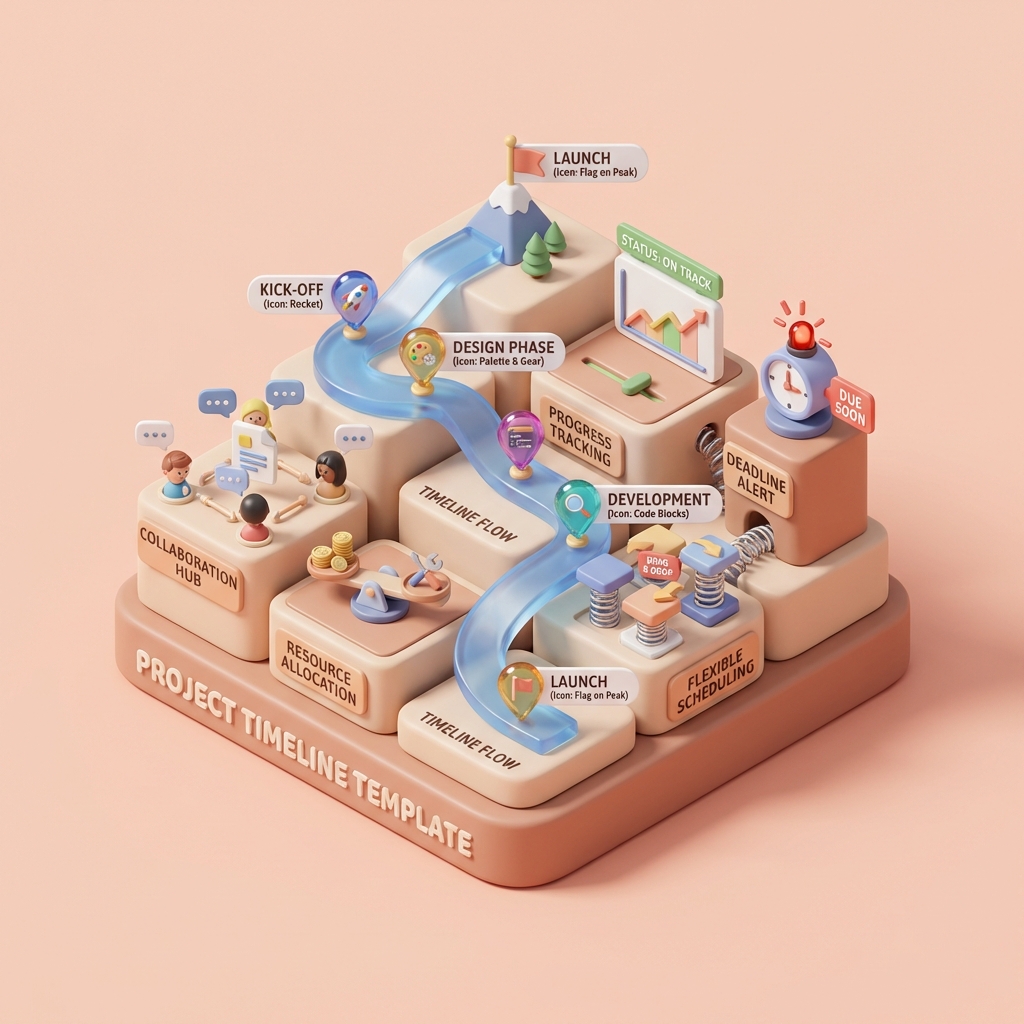
RPA implementation is a complex project requiring careful coordination between business analysts, IT teams, developers, and end users. Each phase has specific deliverables, dependencies, and resource requirements. The timeline can vary significantly based on process complexity, organizational readiness, and the number of processes being automated simultaneously. Proper project management ensures that all stakeholders stay aligned, milestones are met, and potential roadblocks are identified early.

Managing an RPA implementation requires visibility across multiple workstreams and careful resource coordination. Instagantt's Gantt chart capabilities provide the perfect solution for RPA project management. You can visualize dependencies between process analysis and bot development, track parallel development efforts across different automation candidates, and ensure testing phases don't overlap with production deployments.

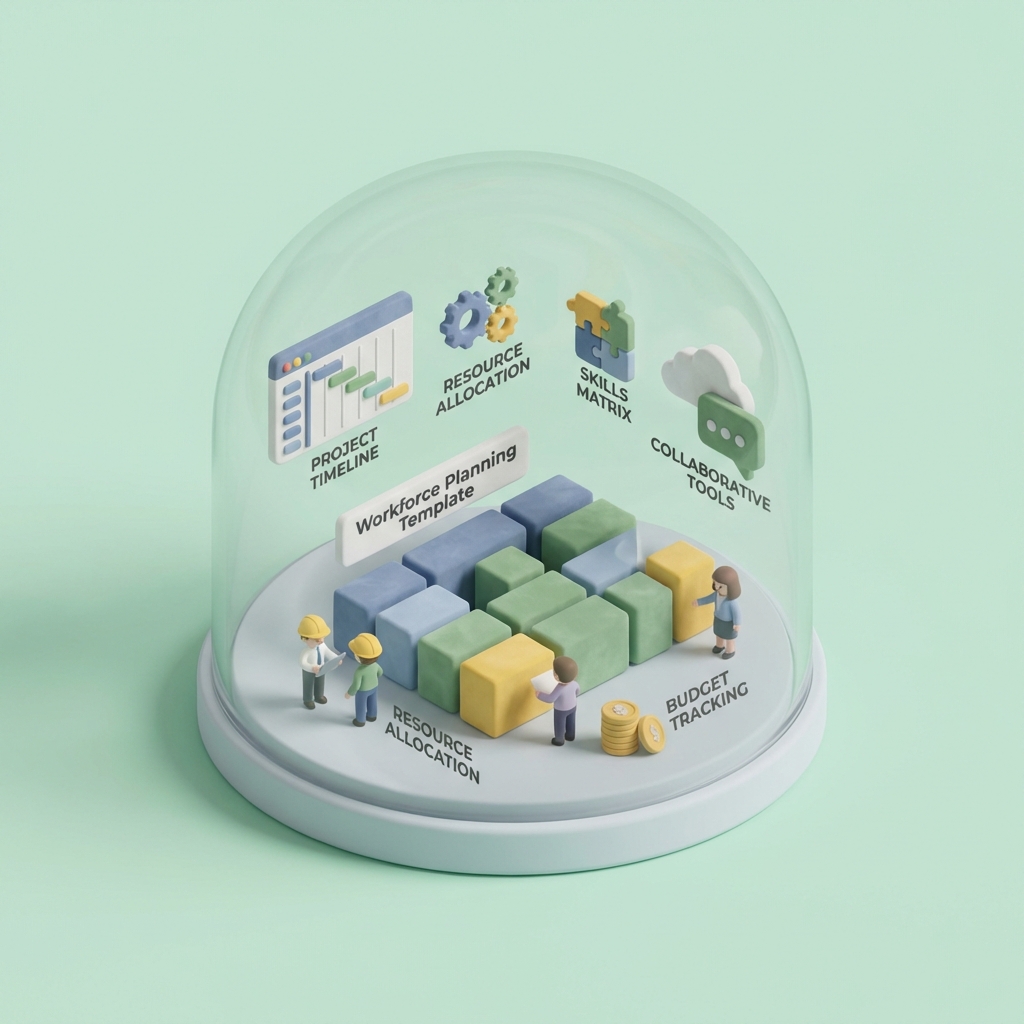
With Instagantt, you can assign resources effectively, ensuring your business analysts, RPA developers, and IT support teams aren't overallocated. The visual timeline helps stakeholders understand when their input is needed and when they can expect to see results. Milestone tracking keeps everyone focused on key deliverables like completed process documentation, successful bot testing, and go-live dates.
Start planning your RPA transformation today with a clear, visual roadmap that ensures successful automation deployment.

Start managing your projects efficiently & never struggle with complex tools again.