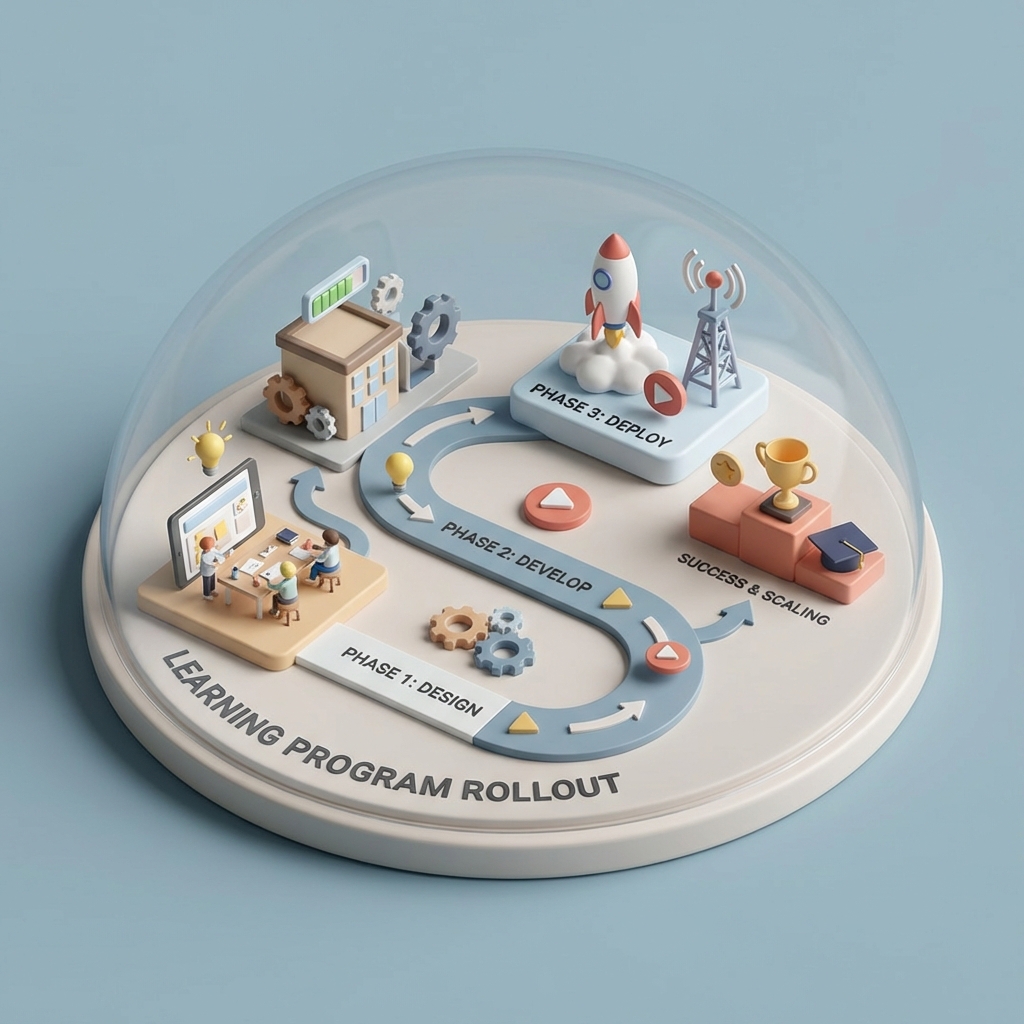
Smart factory implementation revolutionizes manufacturing through automation, robotics, and intelligent systems. This comprehensive setup involves integrating advanced machinery, quality control sensors, and optimization algorithms to create efficient, data-driven production lines that maximize output while maintaining superior quality standards.

A smart factory assembly line represents the pinnacle of Industry 4.0 manufacturing, combining advanced robotics, IoT sensors, artificial intelligence, and real-time data analytics to create highly efficient, automated production systems. Unlike traditional assembly lines, smart factories leverage interconnected technologies to optimize every aspect of the manufacturing process, from raw material handling to final quality inspection. These systems can adapt in real-time to changing production demands, predict maintenance needs, and ensure consistent quality output while minimizing waste and downtime.
Building a smart factory assembly line requires careful integration of multiple sophisticated systems working in harmony:
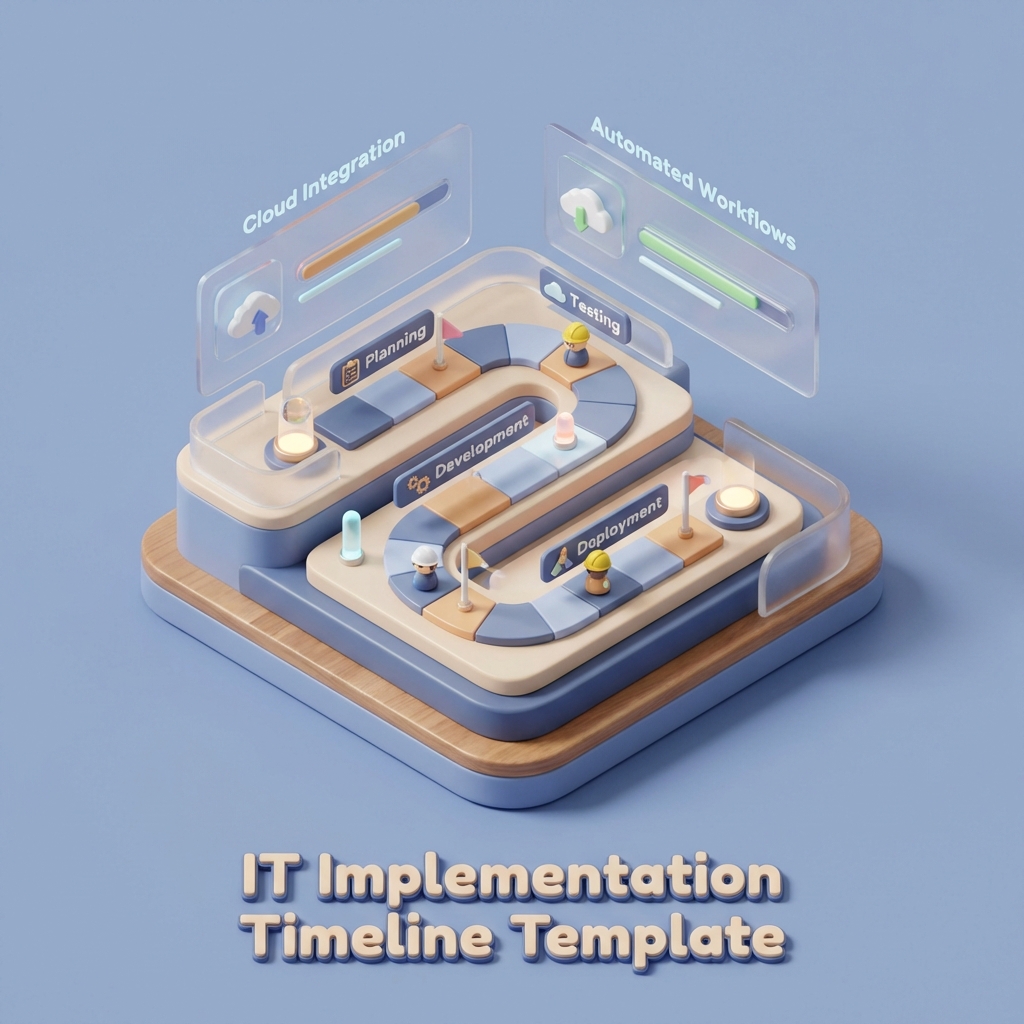
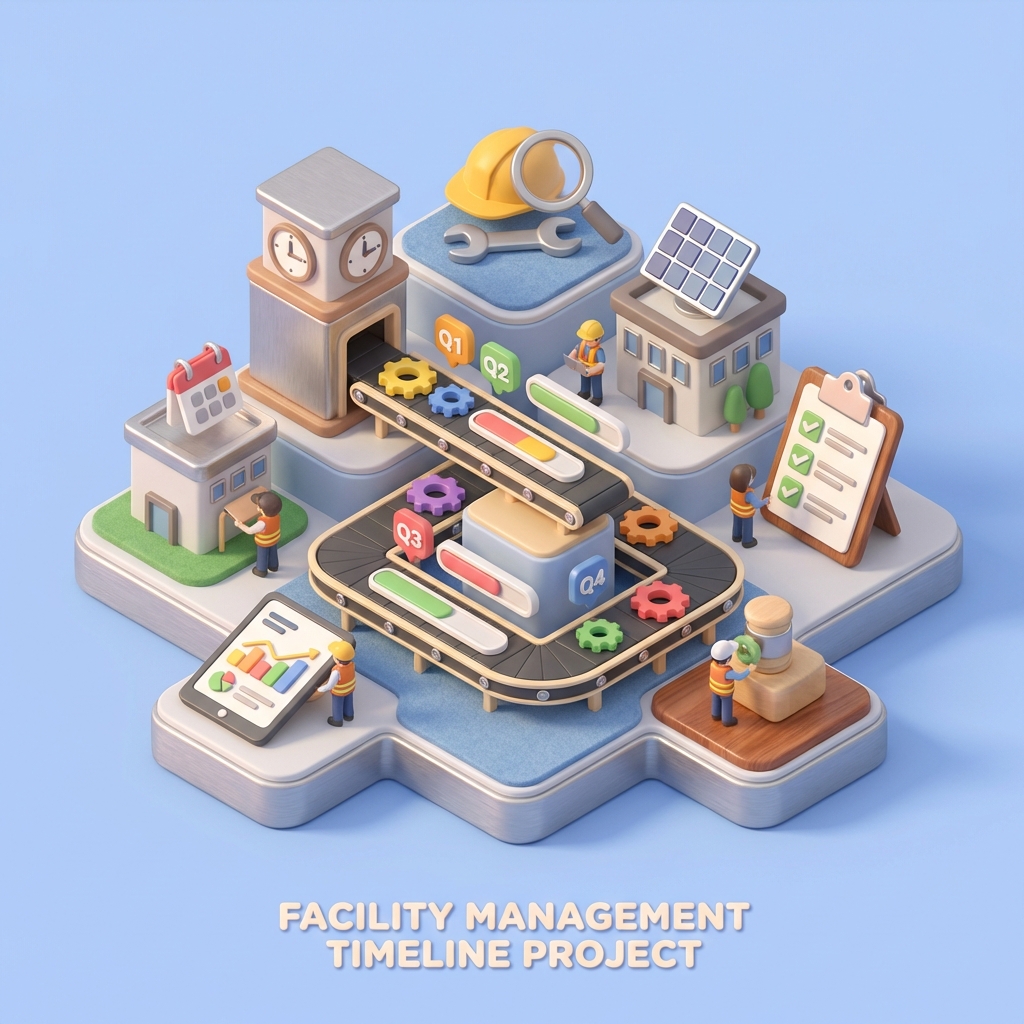
Smart factory implementation involves complex project coordination across multiple disciplines. The process requires careful sequencing of equipment installation, software integration, testing phases, and staff training. Dependencies between systems are critical - for example, network infrastructure must be completed before sensor installation, and basic robotics must be operational before advanced AI optimization can be implemented. The project typically spans several months and requires coordination between equipment vendors, software developers, facility engineers, and production staff.
When properly implemented, smart factory systems deliver significant improvements in efficiency, quality, and profitability. Production throughput can increase by 20-50% while reducing defect rates and material waste. Predictive maintenance capabilities minimize unexpected downtime, and real-time optimization ensures resources are used most effectively. Additionally, comprehensive data collection provides insights for continuous improvement and helps manufacturers respond quickly to market changes or customer demands.
Managing a smart factory implementation requires sophisticated project planning tools that can handle complex dependencies, multiple teams, and critical timing requirements. Instagantt's Gantt chart capabilities provide the visual project management framework needed to coordinate equipment procurement, installation sequences, testing phases, and training programs. The platform enables project managers to track progress across all implementation phases, manage resource allocation, and ensure critical milestones are met on schedule. Real-time collaboration features keep all stakeholders informed and aligned throughout the complex implementation process.

Start managing your projects efficiently & never struggle with complex tools again.