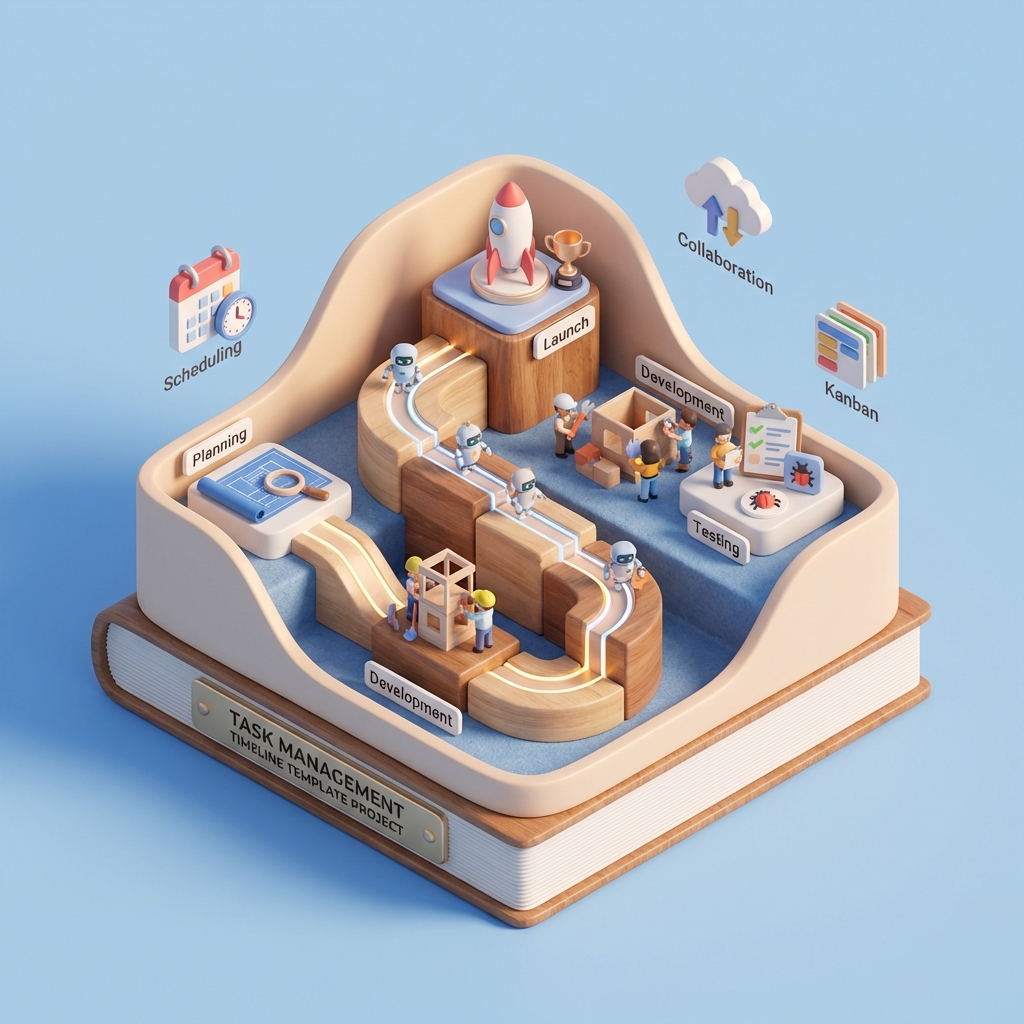
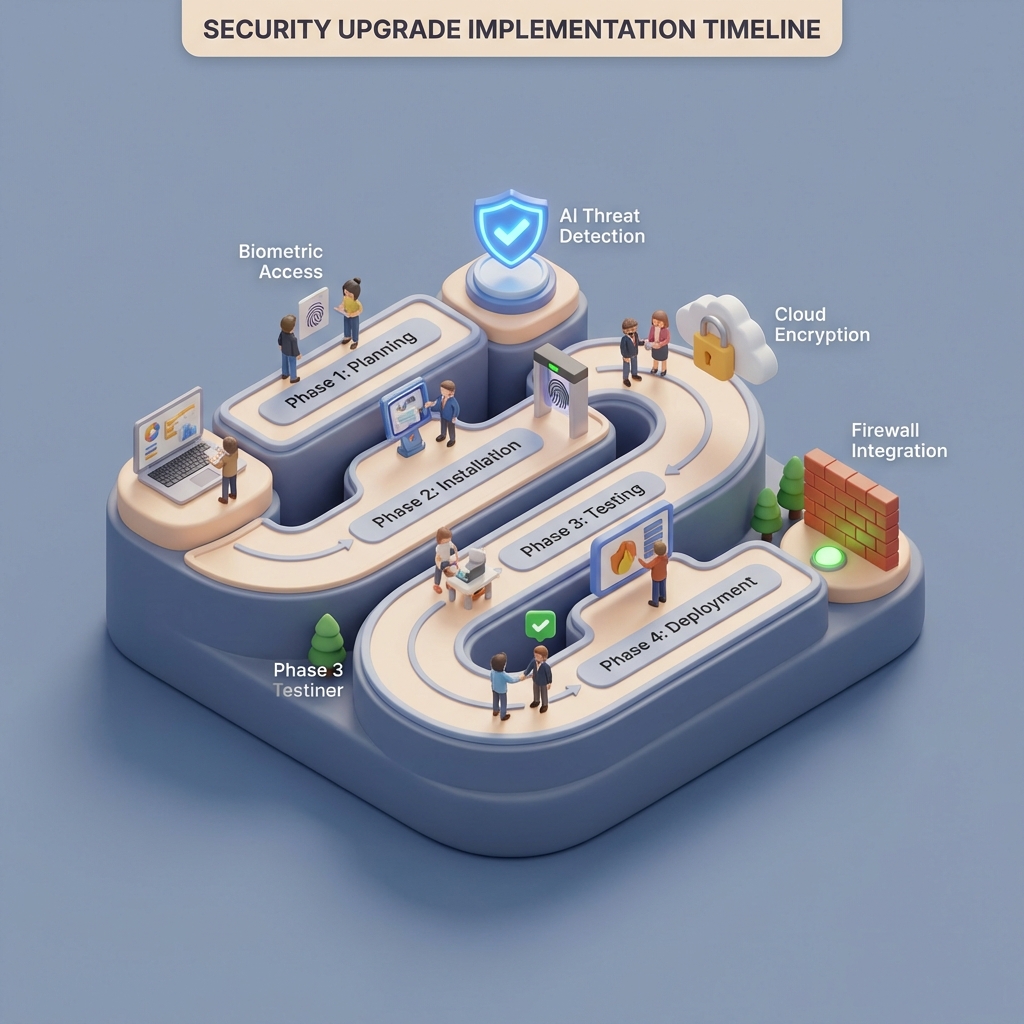
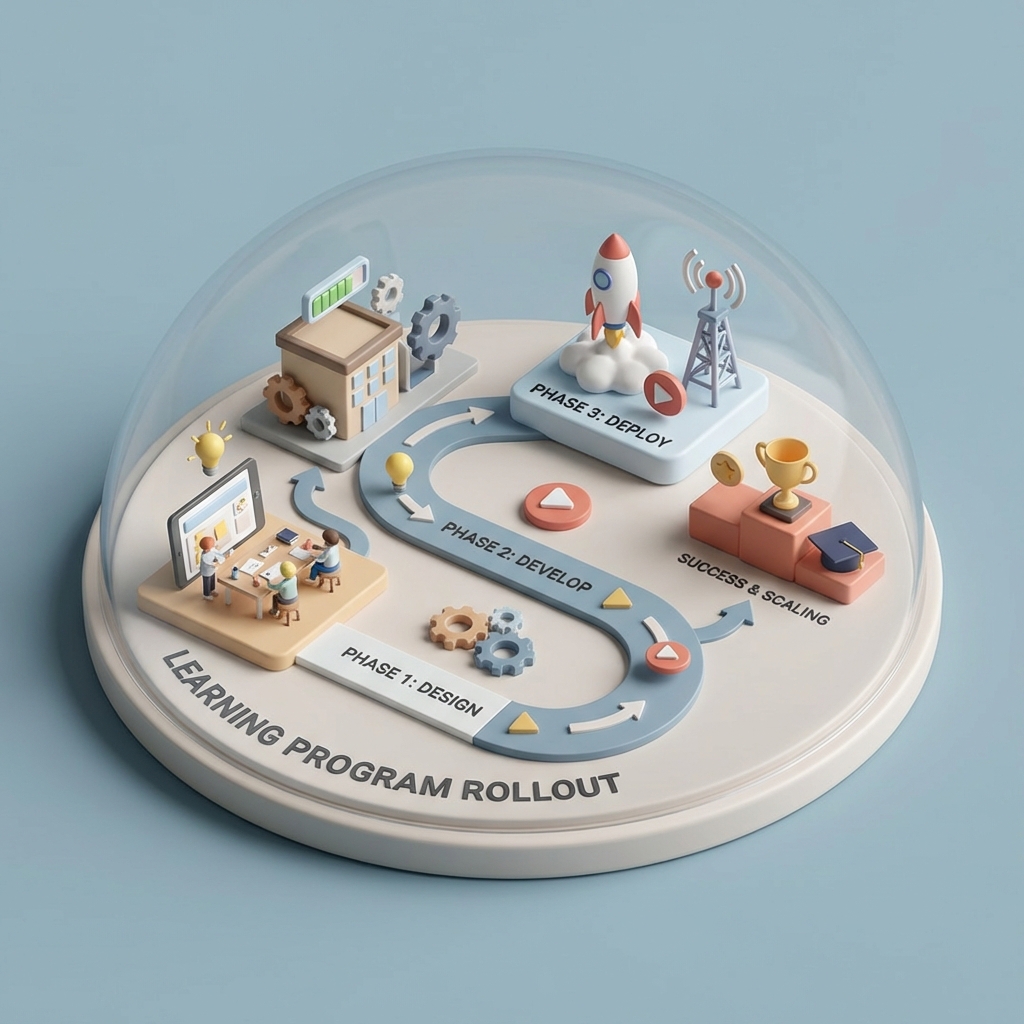
Effective sprint retrospectives are crucial for continuous improvement in Agile teams. This comprehensive template helps teams systematically collect feedback, analyze performance, identify bottlenecks, and create actionable improvement plans to enhance future sprint outcomes and team collaboration.
A Sprint Retrospective is a crucial Scrum ceremony that takes place at the end of each sprint, providing teams with a structured opportunity to reflect on their processes, collaboration, and outcomes. This meeting serves as a dedicated time for the team to inspect and adapt their working methods, fostering continuous improvement and enhanced team performance. Unlike other Scrum events that focus on the product, the retrospective specifically examines how the team works together and identifies areas for optimization.

Sprint retrospectives are the cornerstone of continuous improvement in Agile methodology. They provide teams with regular opportunities to step back from their daily work and critically evaluate their processes, communication patterns, and collaboration effectiveness. Through systematic feedback collection and analysis, teams can identify what's working well and what needs improvement, ensuring that each subsequent sprint builds upon the lessons learned from previous iterations.
A well-structured sprint retrospective should include several essential elements to maximize its effectiveness:
Effective retrospective planning requires systematic preparation and follow-through. Start by collecting feedback throughout the sprint using various methods such as anonymous surveys, mood boards, or continuous feedback tools. During the retrospective meeting, focus on facilitating open dialogue while keeping discussions constructive and solution-oriented. Time-box each activity to maintain energy and ensure all topics are covered adequately.
The true value of sprint retrospectives lies not just in identifying improvements but in successfully implementing them. Create a robust tracking system for action items that includes clear ownership, specific success criteria, and regular check-ins. Consider incorporating improvement work into the next sprint's backlog to ensure dedicated time and resources. Track the effectiveness of implemented changes and be prepared to adjust course if initial solutions don't yield expected results.
Managing the entire retrospective process becomes significantly easier with proper project management tools. Instagantt's Gantt chart functionality allows teams to plan retrospective activities, track action item progress, and maintain visibility into improvement initiatives across multiple sprints. You can create timelines for feedback collection, schedule retrospective meetings, assign responsibilities for action items, and monitor implementation progress. Visual project tracking ensures that retrospective outcomes translate into tangible improvements rather than forgotten good intentions.
Transform your team's continuous improvement process with our comprehensive Sprint Retrospective Planning template.

Start managing your projects efficiently & never struggle with complex tools again.