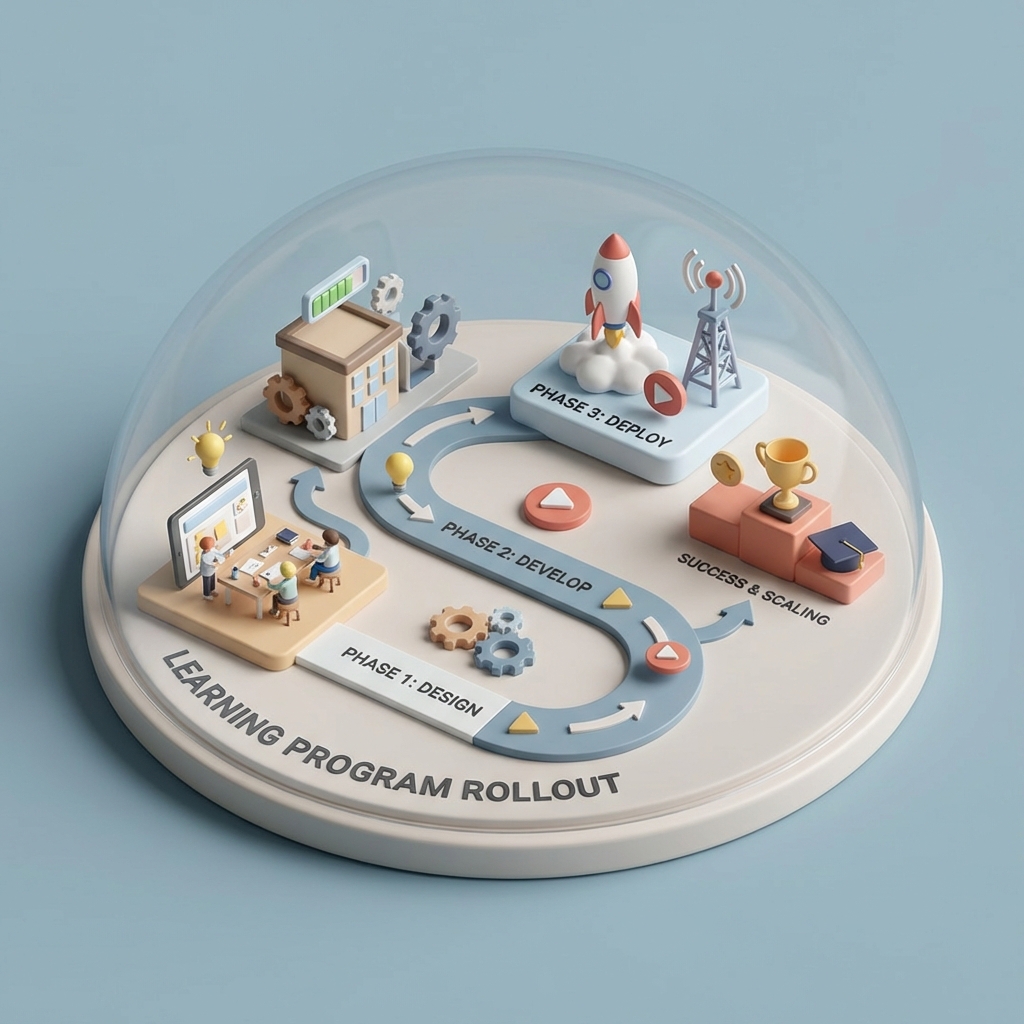
Water Conservation Program Roadmap

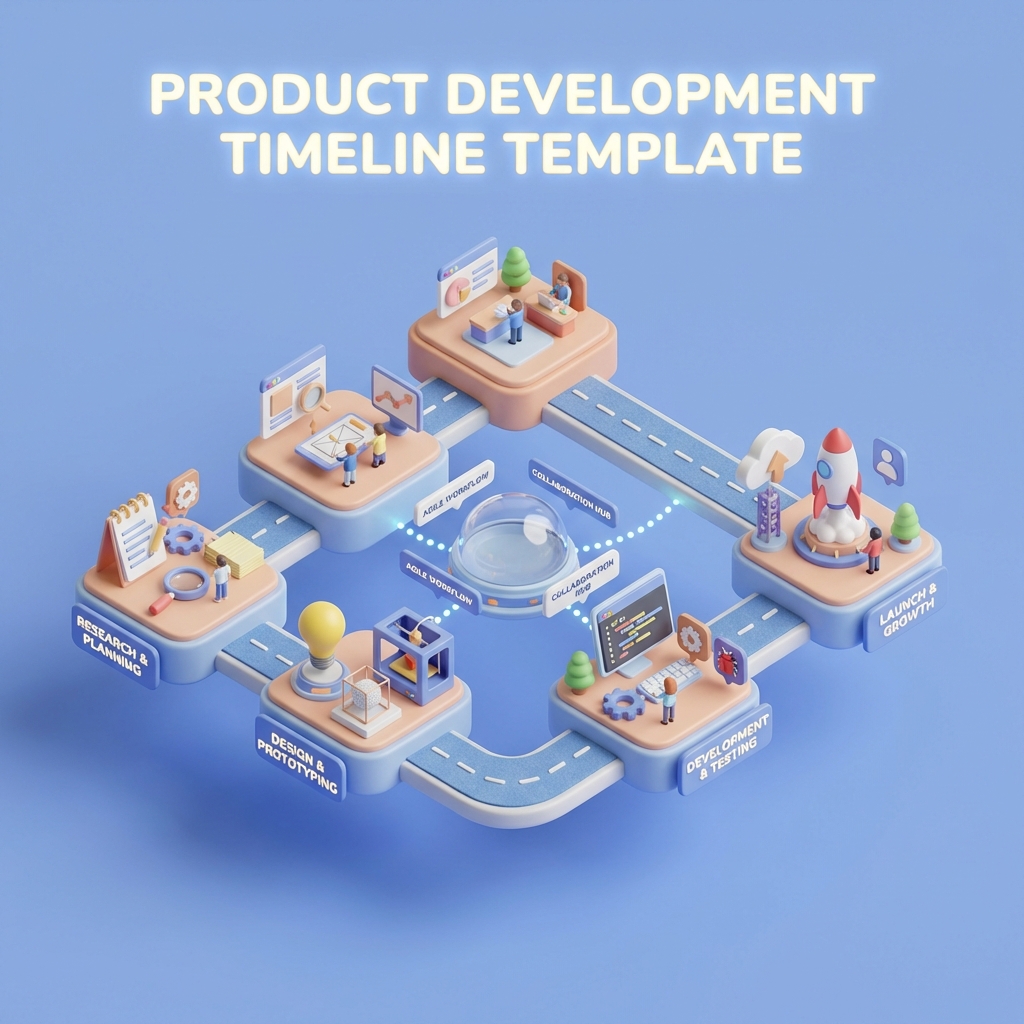
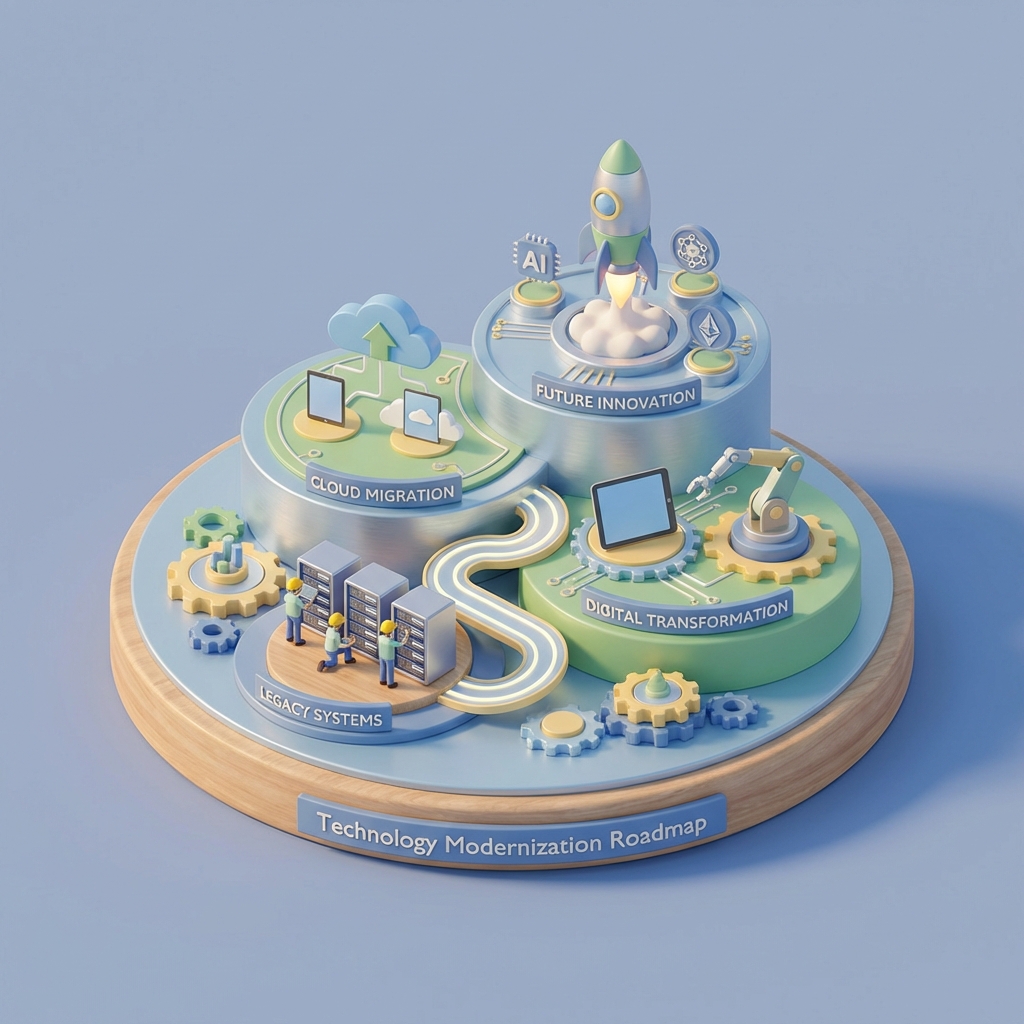
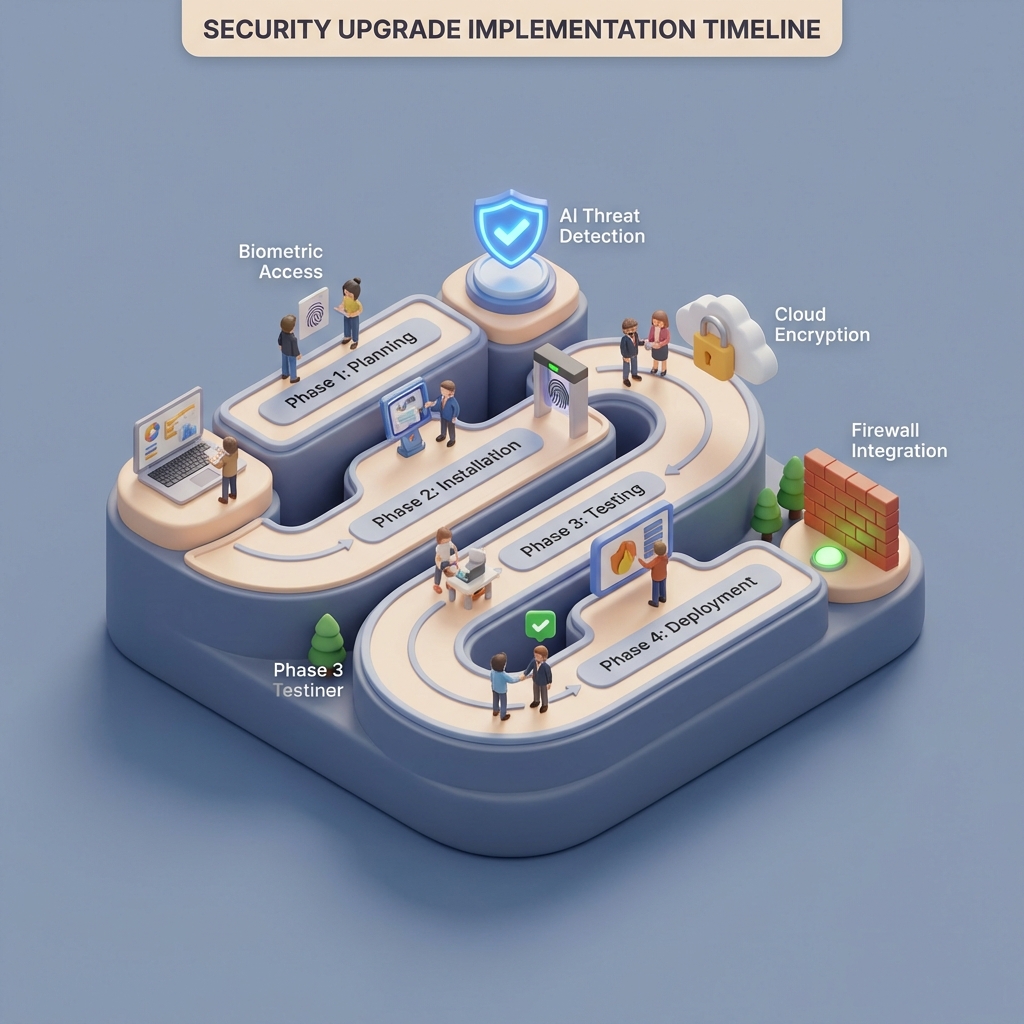
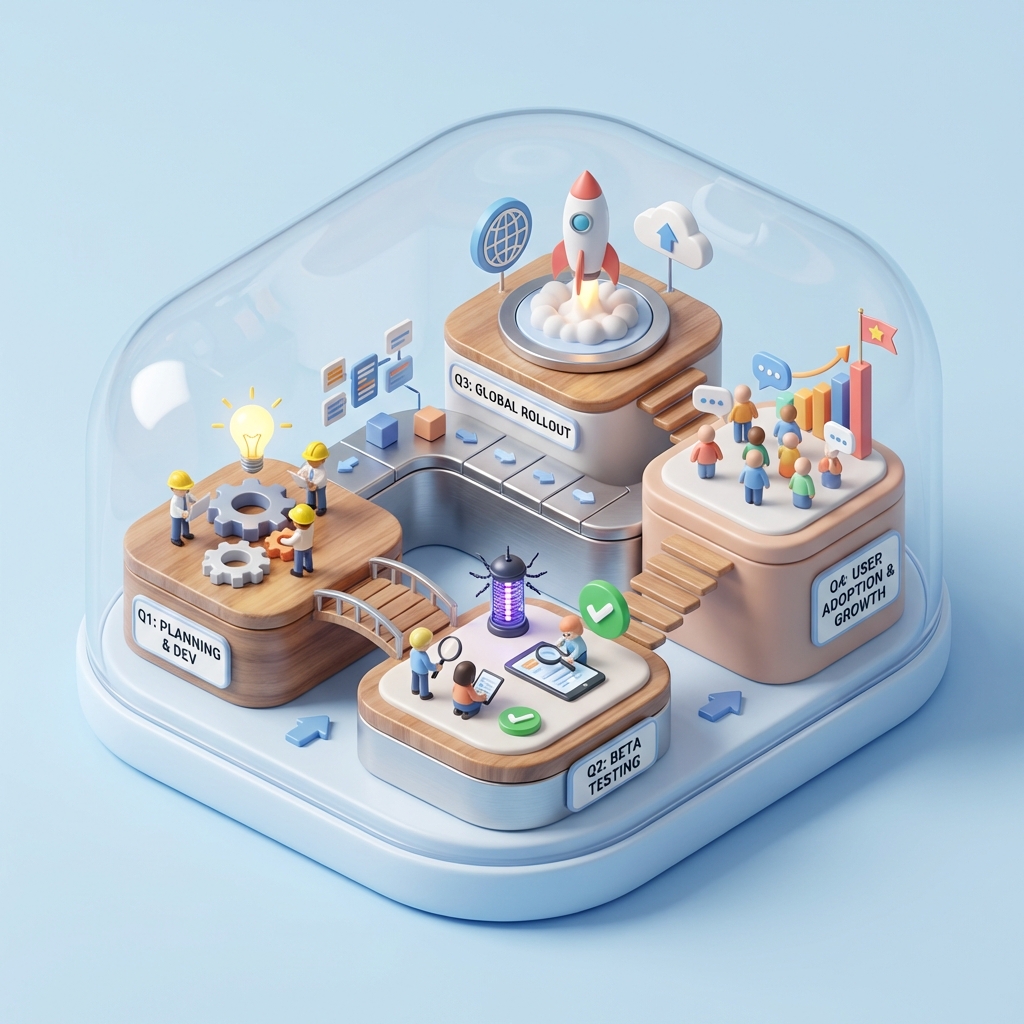
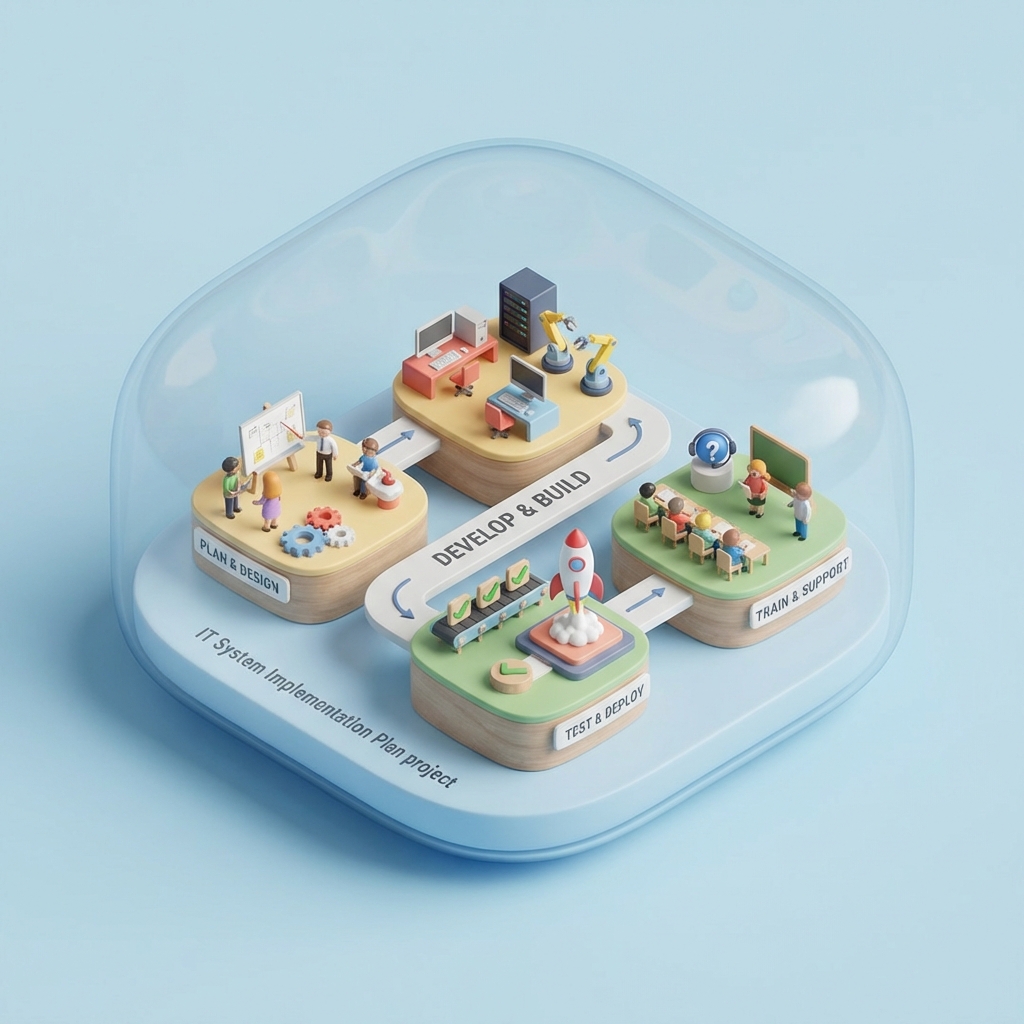
Implementing an effective water conservation program requires strategic planning and coordinated execution across multiple phases. From initial assessment and stakeholder engagement to technology implementation and community outreach, a structured roadmap ensures sustainable water management practices that benefit both the environment and operational efficiency.

Andres Rodriguez

Chief Marketing Officer

What is a Water Conservation Program?

A water conservation program is a comprehensive initiative designed to reduce water consumption and improve efficiency across residential, commercial, or industrial settings. These programs typically involve multiple stakeholders, including facility managers, environmental teams, technology providers, and end users. Effective water conservation requires systematic planning, implementation, and ongoing monitoring to achieve measurable results while maintaining operational requirements.

Why Create a Water Conservation Program Roadmap?

Water conservation initiatives involve complex coordination between various departments, vendors, and regulatory bodies. A well-structured roadmap ensures that all phases are properly sequenced and that resources are allocated efficiently throughout the program lifecycle. From initial assessments to technology deployment and community engagement, each component must be carefully timed to maximize impact while minimizing disruption to daily operations.
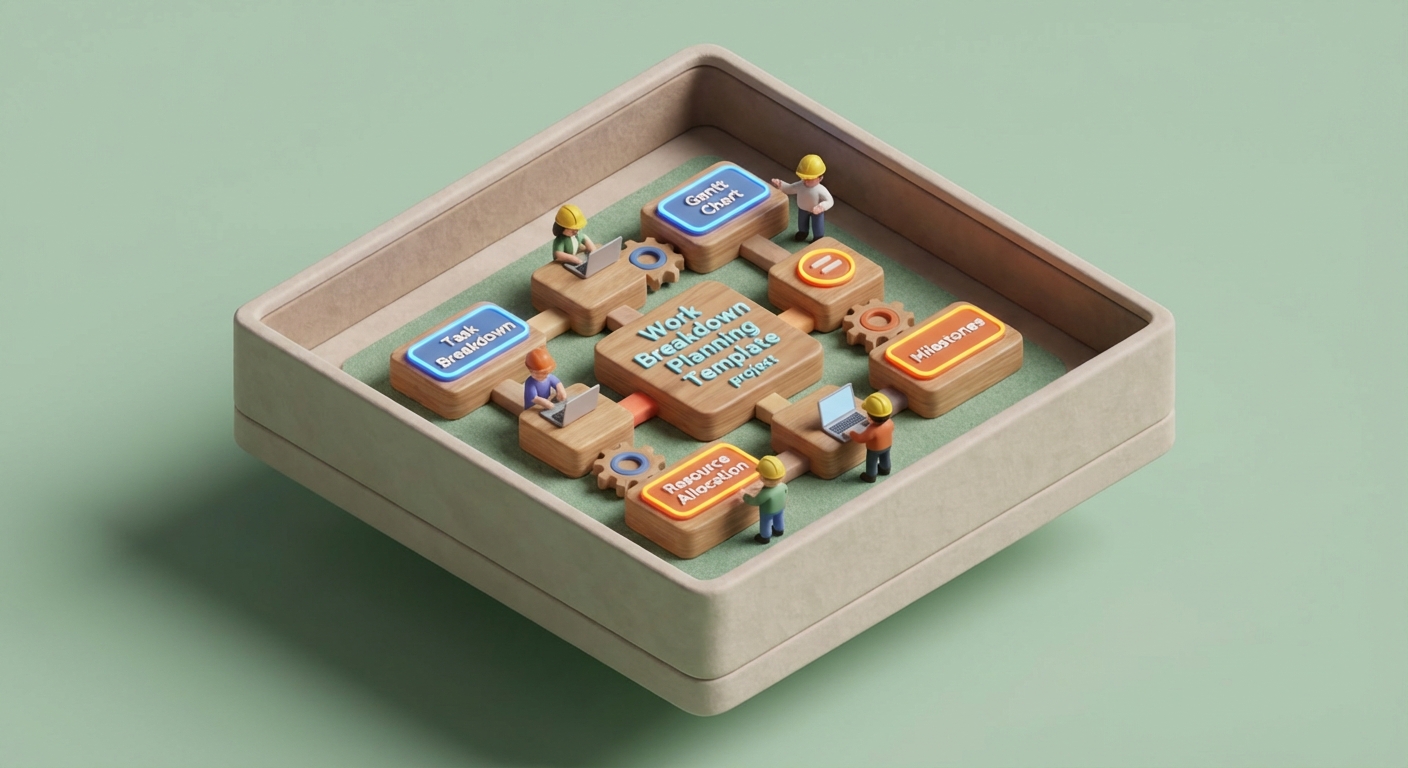
Key Components of a Water Conservation Program

A successful water conservation program roadmap should include several critical elements:

  • Baseline Assessment. Conduct comprehensive water usage audits to establish current consumption patterns and identify inefficiencies. This foundational phase informs all subsequent planning decisions and provides benchmarks for measuring success.
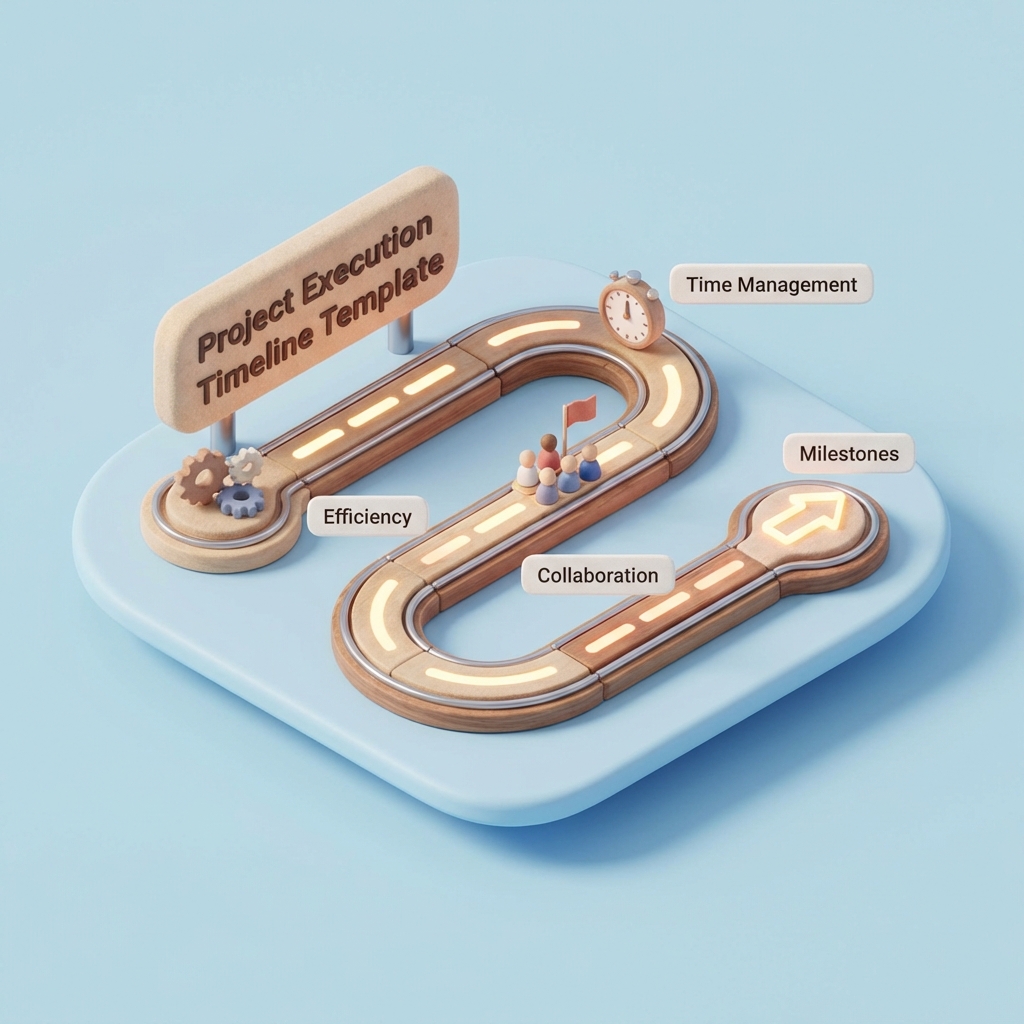
  • Stakeholder Engagement. Involve key stakeholders including facility managers, environmental teams, maintenance staff, and end users. Their input is crucial for developing realistic goals and ensuring buy-in throughout the organization.
  • Technology Integration. Research and select appropriate water-saving technologies such as smart irrigation systems, low-flow fixtures, leak detection sensors, and water recycling equipment based on your specific needs and budget constraints.
  • Infrastructure Upgrades. Plan the physical installation of new systems and replacement of inefficient equipment. This phase requires careful coordination with maintenance schedules to minimize operational disruption.
  • Training and Education. Develop comprehensive training programs for staff and educational materials for end users to ensure proper system operation and promote water-conscious behaviors.
  • Monitoring and Evaluation. Establish ongoing measurement protocols to track progress, identify additional opportunities, and demonstrate return on investment to stakeholders.

Challenges in Water Conservation Project Management

Managing water conservation programs presents unique challenges that require careful planning. Coordinating multiple vendors for different technology components while maintaining operational continuity can be complex. Additionally, regulatory compliance requirements may impact timelines, and budget approvals often need to align with fiscal year cycles. Weather dependencies for outdoor installations and the need for phased implementation to avoid service disruptions add further complexity to project scheduling.

How Instagantt Supports Water Conservation Program Management

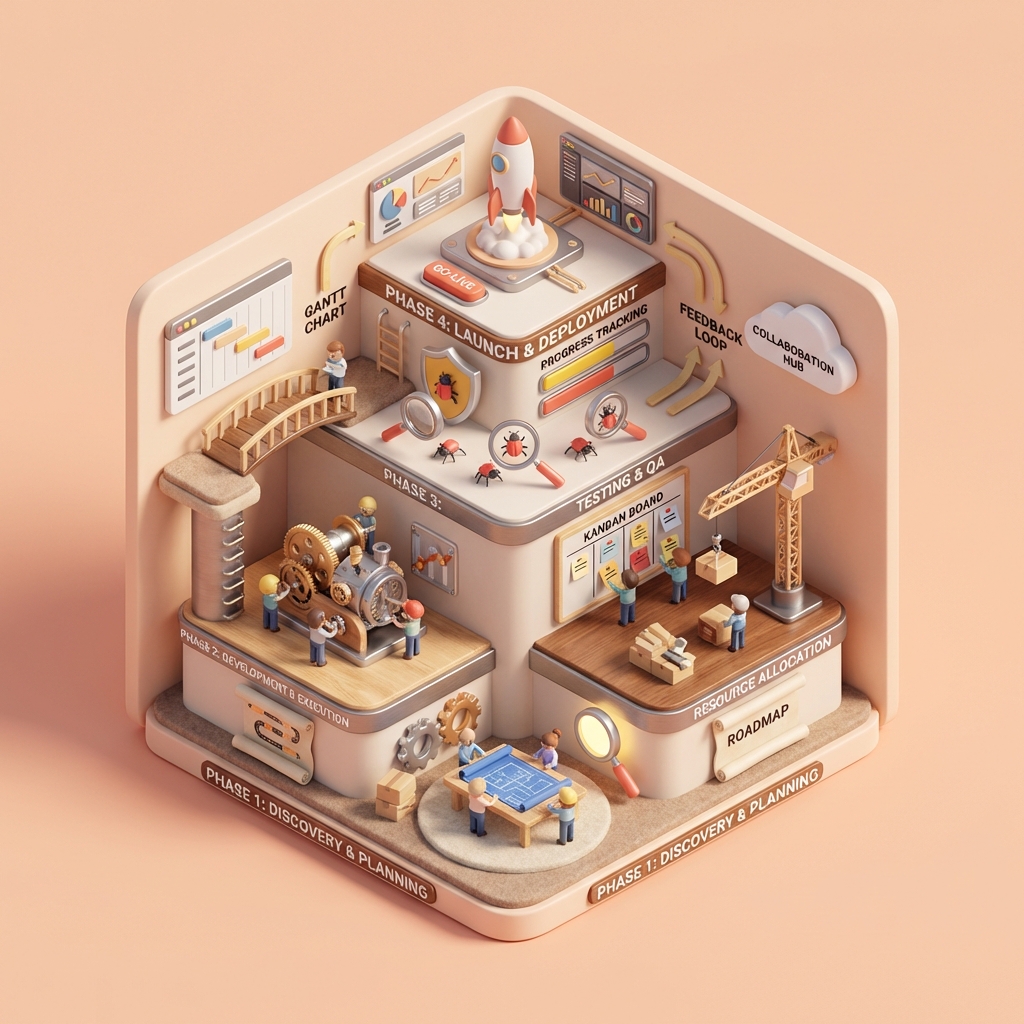
Water conservation programs benefit significantly from visual project management tools that can handle complex dependencies and resource allocation. Instagantt's Gantt chart capabilities allow program managers to coordinate multiple workstreams simultaneously, ensuring that assessments are completed before technology selection, that training occurs alongside infrastructure installation, and that monitoring systems are ready when implementation begins.

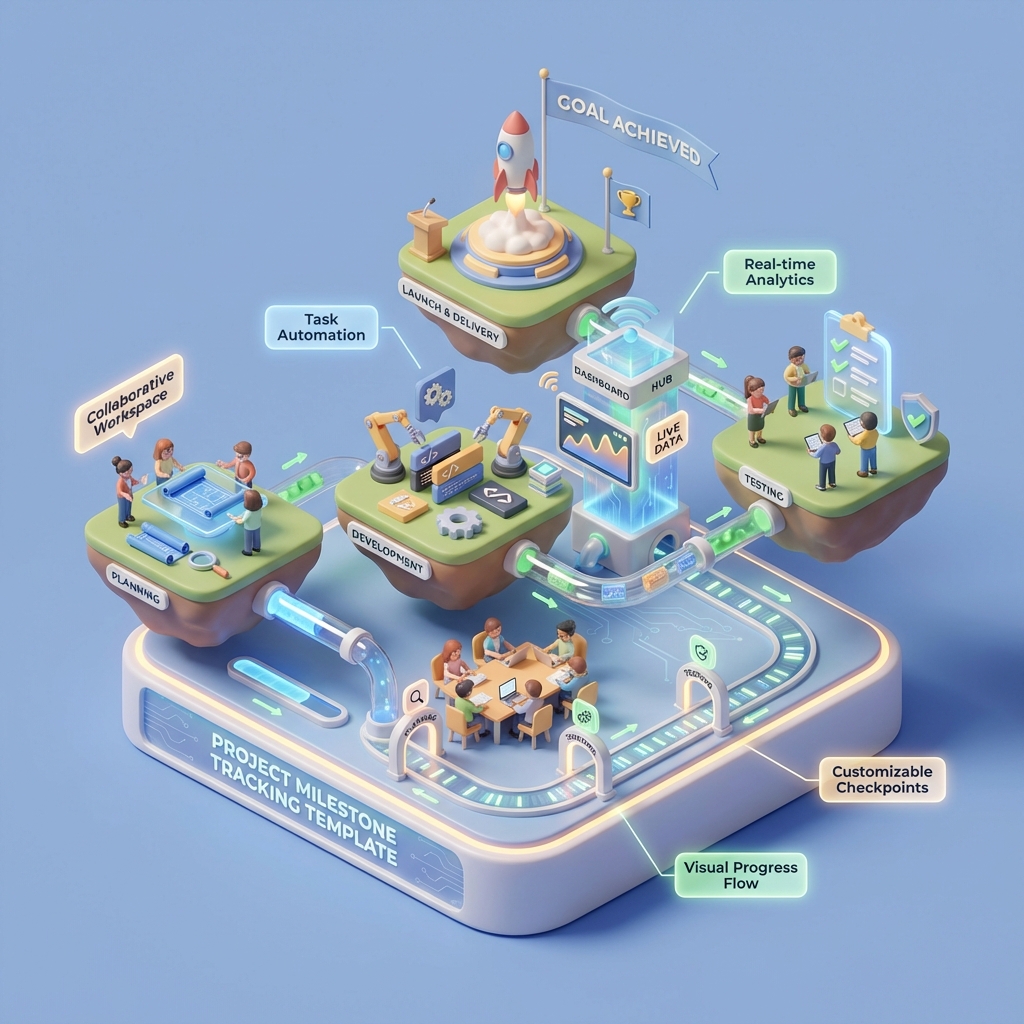
The software's milestone tracking features help teams stay aligned with regulatory approval deadlines and budget release schedules, while resource management tools ensure that specialized technicians and equipment are available when needed. Real-time collaboration features keep stakeholders informed of progress and enable quick adjustments when unexpected challenges arise.

Start planning your water conservation program with a clear roadmap that coordinates all stakeholders and maximizes your environmental impact.
Explore our Water Conservation Program Gantt Chart Template

Ready to simplify your project management?

Start managing your projects efficiently & never struggle with complex tools again.