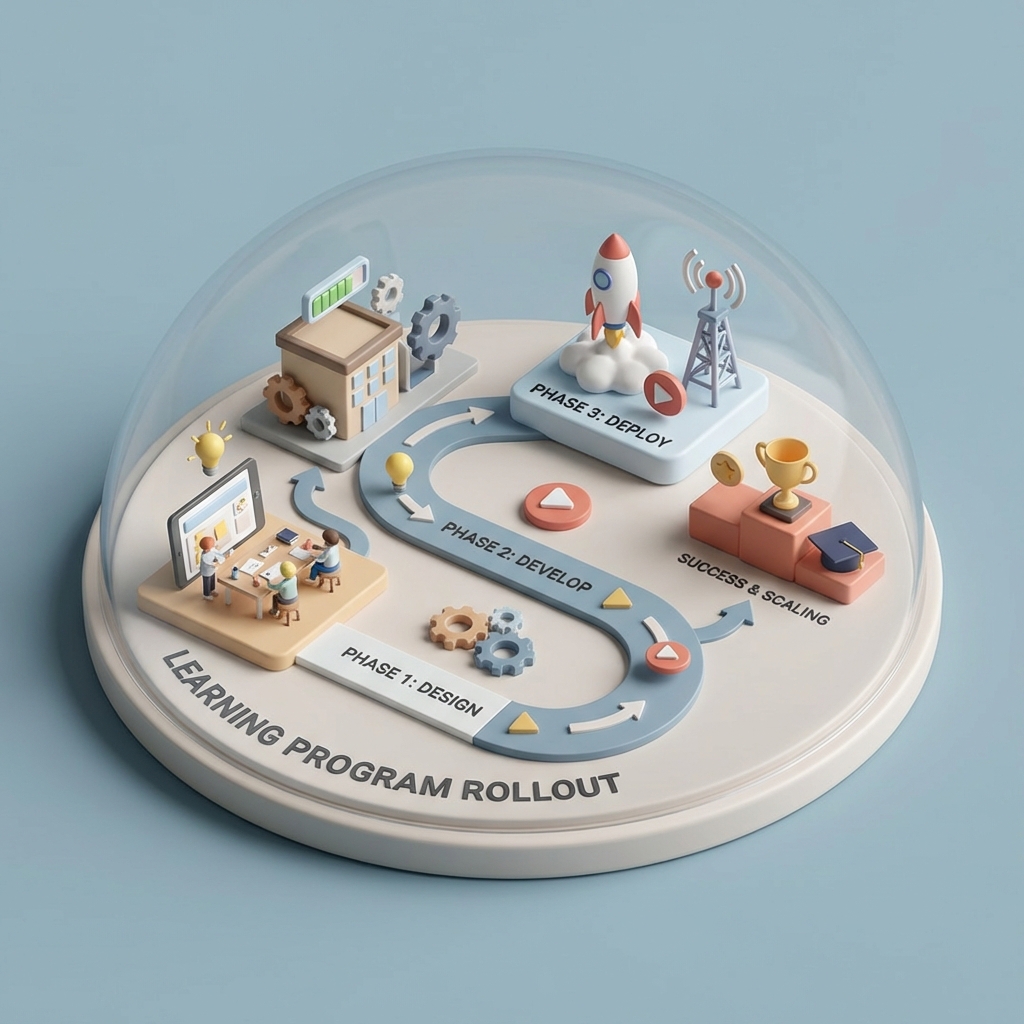
Winery Harvest Season

Annual grape processing timeline with picking, fermentation, aging, bottling, and distribution phases

Wine production is a complex, time-sensitive process that requires meticulous planning and coordination. From grape harvest to final distribution, each phase demands precise timing, resource allocation, and quality control to produce exceptional wines that meet market demands.

Andres Rodriguez

Chief Marketing Officer

Understanding Winery Harvest Season Planning

The wine production process is one of the most time-critical and complex operations in the agricultural industry. From the moment grapes reach optimal ripeness to the final bottle reaching consumers, every phase requires precise coordination, resource management, and quality control. A successful harvest season can determine a winery's reputation and profitability for years to come, making proper project management absolutely essential.
The Five Critical Phases of Wine Production

Wine production follows a carefully orchestrated sequence of phases, each with its own unique requirements and dependencies:

  • Picking Phase. The harvest begins when grapes reach optimal sugar levels and acidity. This phase typically spans 4-6 weeks during late summer and early fall, requiring intensive labor coordination, equipment scheduling, and weather monitoring. Timing is everything – grapes picked too early or too late can significantly impact wine quality.
  • Fermentation Phase. Once harvested, grapes undergo crushing and fermentation, a process lasting 1-4 weeks depending on the wine type. This phase requires temperature control, yeast management, and constant monitoring. Red wines ferment with skins for color extraction, while white wines are typically pressed immediately.
  • Aging Phase. The longest phase in wine production, aging can last anywhere from 6 months to several years. Wines are stored in stainless steel tanks, oak barrels, or concrete vessels. This phase involves regular testing, racking, and blending decisions that will determine the final product's character.
  • Bottling Phase. When wines reach maturity, they undergo filtration, final blending, and bottling. This mechanized process requires equipment scheduling, label preparation, and quality control testing. Proper bottling prevents contamination and ensures wine stability.
  • Distribution Phase. The final phase involves packaging, marketing, and shipping to distributors and retailers. This phase requires inventory management, logistics coordination, and compliance with various regulatory requirements across different markets.

Resource Management and Coordination Challenges

Managing a winery harvest season presents unique challenges that require sophisticated planning tools. Seasonal labor fluctuations mean wineries must coordinate with temporary workers during peak harvest times while maintaining year-round staff for ongoing operations. Equipment scheduling becomes critical when multiple wine lots compete for limited fermentation tanks, presses, and bottling lines.

Weather dependency adds another layer of complexity. Unexpected rain during harvest can delay picking schedules, while temperature fluctuations during fermentation require immediate adjustments to production timelines. Quality control checkpoints throughout the process cannot be rushed or delayed without potentially compromising the final product.

Why Gantt Charts Are Essential for Winery Operations

The interconnected nature of wine production makes Gantt chart planning indispensable for winery management. Dependencies between phases mean that delays in harvest directly impact fermentation schedules, which in turn affect aging timelines and bottling operations. A visual timeline helps winery managers anticipate bottlenecks, allocate resources efficiently, and communicate schedules clearly with their teams.

Using Instagantt for winery project management allows teams to track multiple wine lots simultaneously, monitor critical quality control milestones, and adjust schedules in real-time as conditions change. Resource allocation features help prevent equipment conflicts and ensure adequate staffing during peak production periods.

From small boutique wineries to large-scale operations, proper project management tools transform the complexity of harvest season into a manageable, predictable process that consistently delivers quality results.

Ready to simplify your project management?

Start managing your projects efficiently & never struggle with complex tools again.