Diagrammes de Gantt pour le marketing
Coordonnez vos campagnes marketing, vos calendriers de contenu et vos lancements de produits grâce à une gestion visuelle de la chronologie conçue pour les équipes marketing.





Approuvé par plus de 25 000 équipes à travers le monde
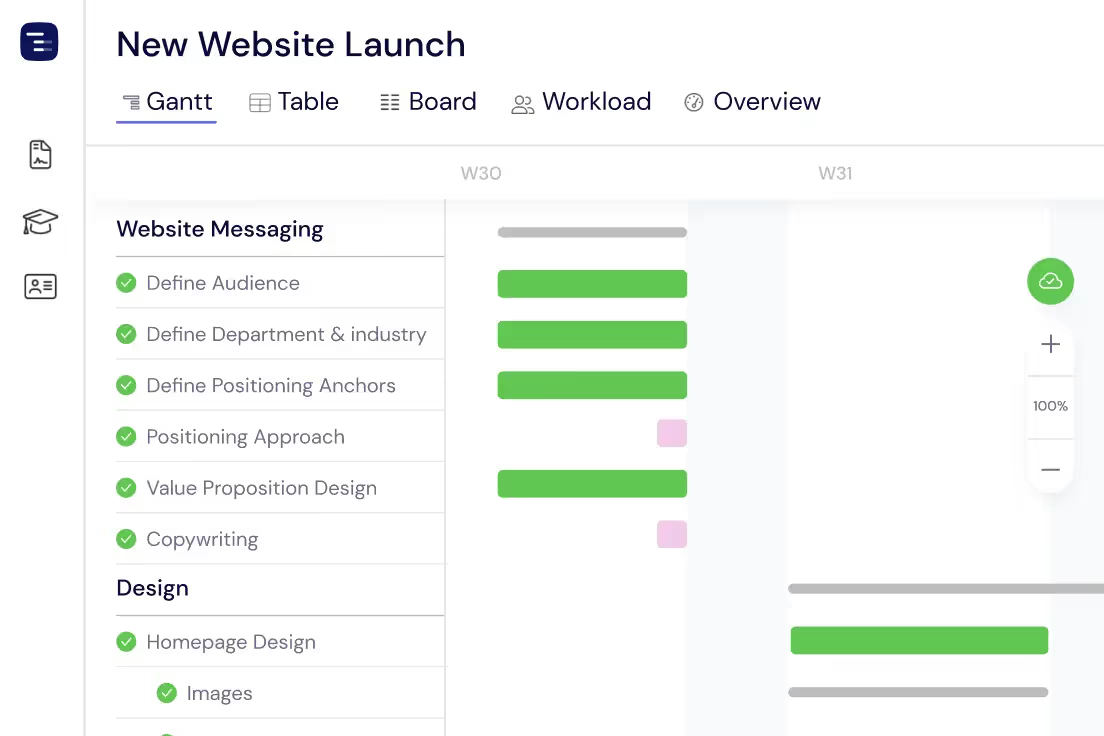
Planifiez vos campagnes
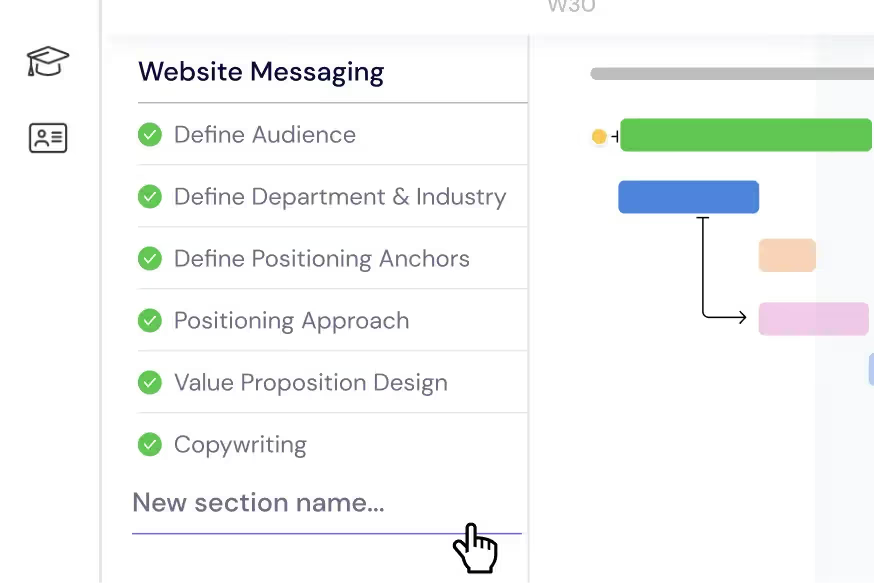
Divisez les campagnes multicanales en tâches et sous-tâches gérables. Organisez chaque phase — des briefs créatifs et de la production de contenu au jour du lancement — en sections claires avec des échéances, des dépendances et des jalons sur votre diagramme de Gantt.
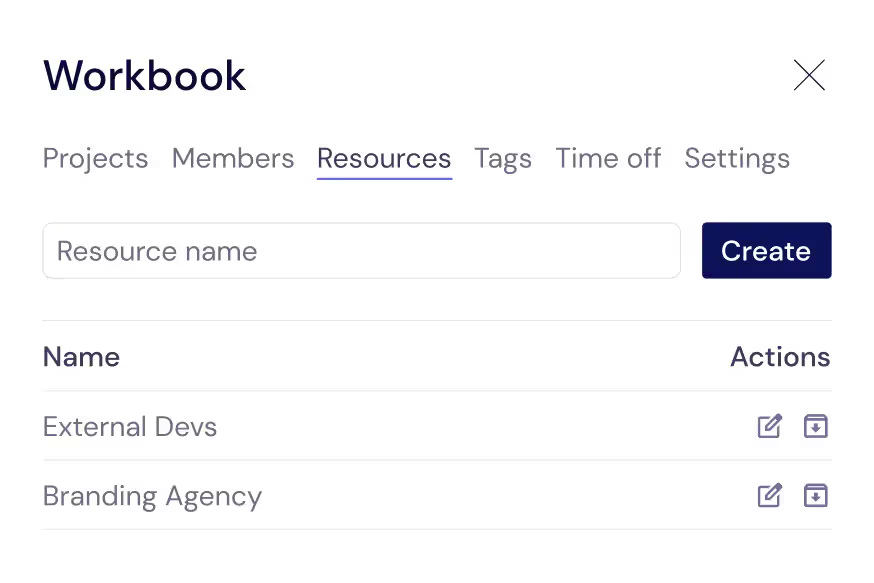
Gérez votre équipe créative
Suivez chaque contributeur qui fait avancer vos campagnes : rédacteurs, designers, gestionnaires de réseaux sociaux et agences externes. Assignez-leur des tâches pour toujours savoir qui s'occupe de quoi et quand les livrables sont attendus.
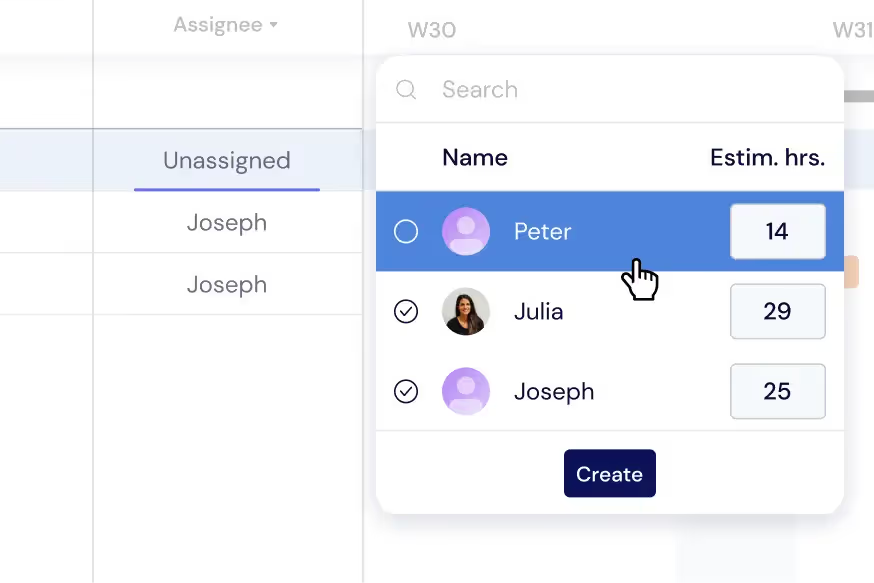
Équilibrez la charge de travail de votre équipe
Répartissez les tâches au sein de votre équipe marketing pour respecter chaque échéance sans surmenage. Surveillez les charges de travail individuelles directement sur votre diagramme de Gantt ou passez à la Vue de Charge de Travail pour rééquilibrer les affectations sur l'ensemble des campagnes en temps réel.
Obtenez une vue d'ensemble des campagnes
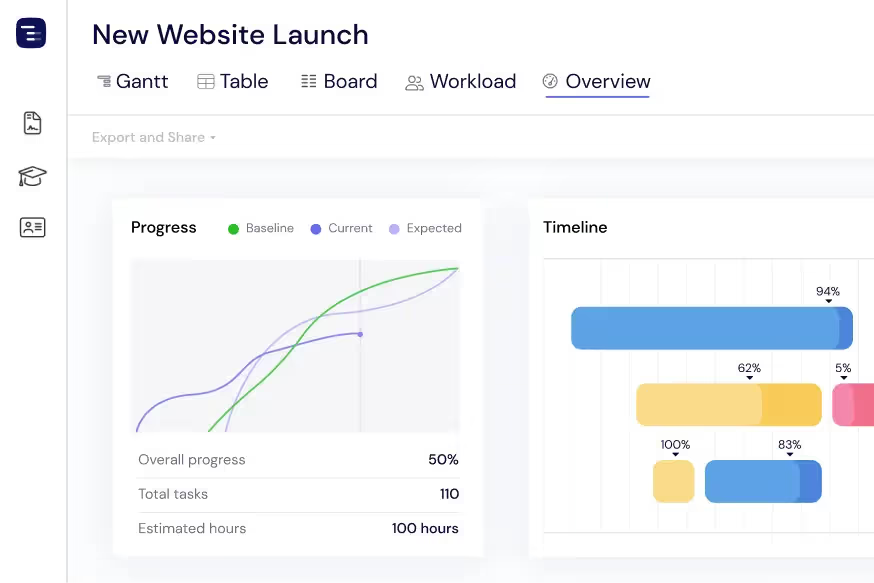
Visualisez chaque campagne et initiative active en un coup d'œil grâce à la Vue d'ensemble. Surveillez les dates de lancement, les calendriers de contenu et la capacité de l'équipe sans vous perdre dans les détails. Basculez entre les vues Gantt, Tableau ou Liste selon vos besoins.
Partagez les résultats avec les parties prenantes
Exportez les chronologies de campagne au format PDF, PNG ou feuilles de calcul pour les partager avec les clients, les dirigeants et les partenaires. Utilisez les Instantanés publics pour offrir aux parties prenantes une vue en direct et en lecture seule de votre calendrier marketing sur Instagantt.
Coordinate Multi-Channel Launches
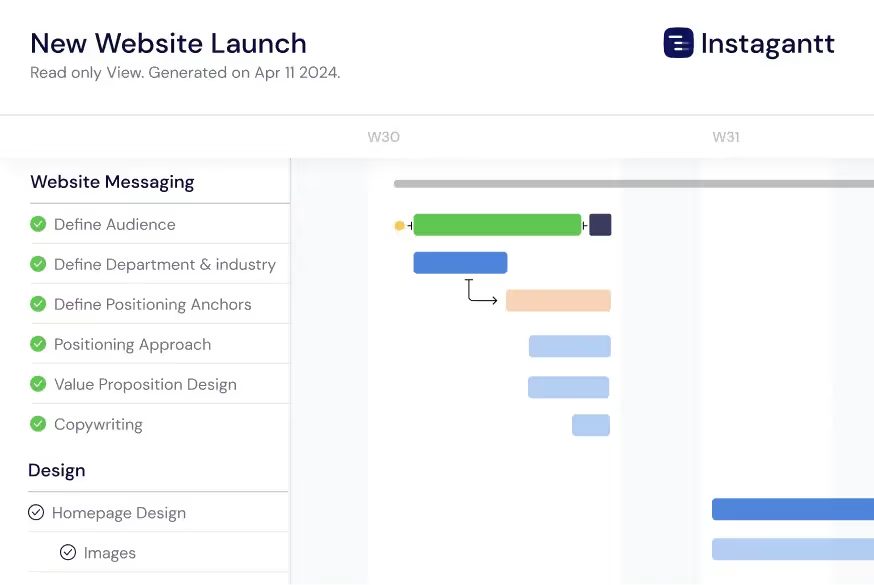
Plan product launches, seasonal campaigns, and major promotions across every marketing channel on a single Gantt chart. Map dependencies between email sequences, social media posts, blog content, paid advertising activations, PR outreach, influencer partnerships, and landing page deployments. When any creative asset is delayed, immediately see the ripple effect across all channels and adjust launch timing proactively. This cross-channel coordination prevents the common marketing problem of launching ads before landing pages are ready or sending emails before supporting content is published.
Track Creative Asset Production
Manage creative asset production from initial brief through design concepts, stakeholder review rounds, revisions, and final approval. Link asset delivery milestones to campaign launch dates with dependencies so creative delays automatically push dependent campaign activities. Track approval bottlenecks in real time — if a stakeholder has not reviewed a design after three days, the Gantt chart shows the growing risk to the launch timeline. This production tracking helps marketing managers escalate approval delays and ensures creative work is completed in time for campaign deadlines.
AI-Powered Campaign Planning
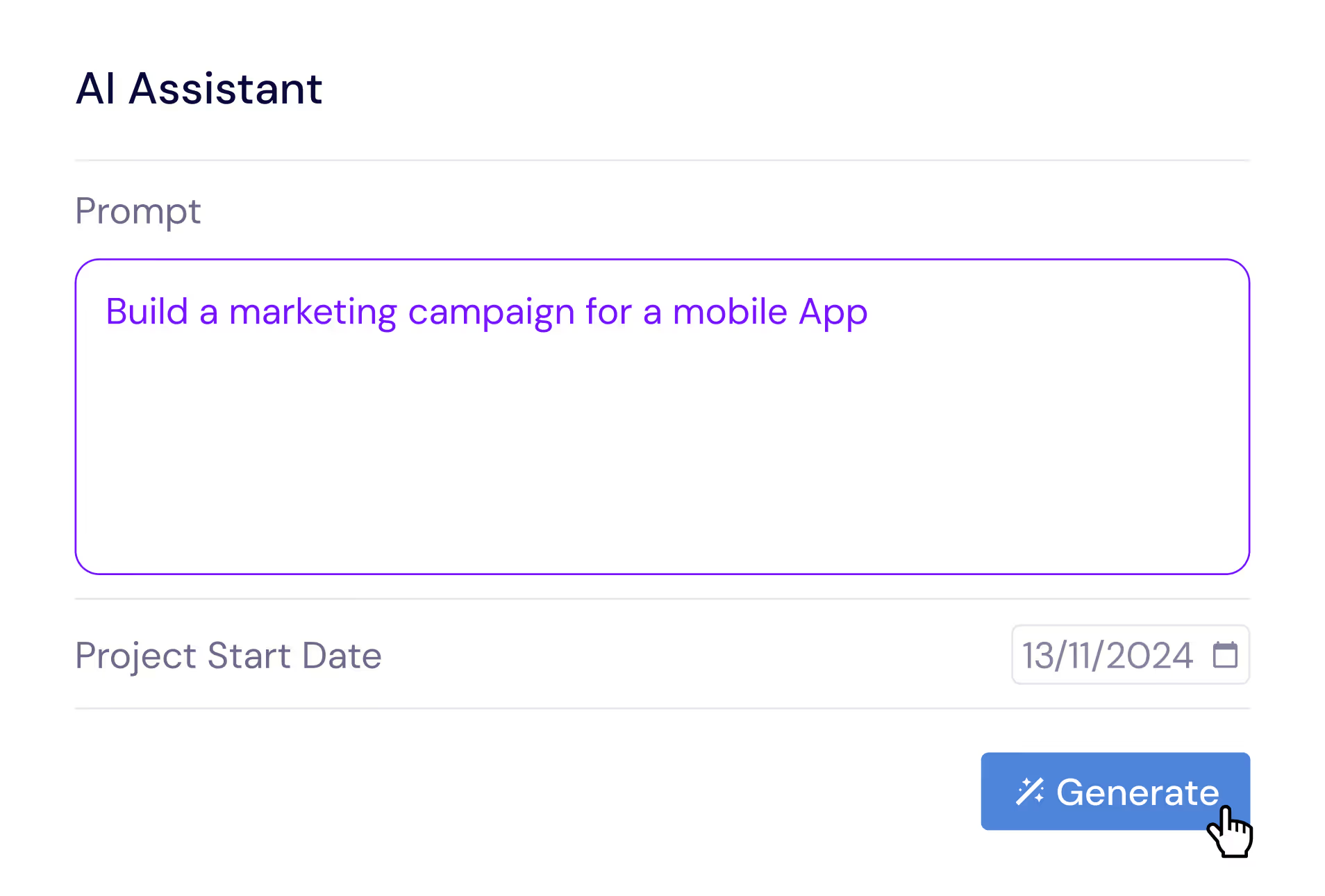
Describe your marketing campaign in plain English and let the AI Assistant generate a complete campaign plan with tasks, subtasks, estimated durations, and dependencies. Say something like 'Plan a product launch campaign with email sequences, social media content, blog posts, paid ads, and PR outreach across a 6-week timeline' and receive a professional campaign structure in seconds. Refine the generated plan with follow-up prompts, then save it as a template for future campaigns. The AI understands marketing concepts like content calendars, approval workflows, and multi-channel coordination.
Manage Campaign Budgets Visually
Assign budget allocations to individual campaign tasks and track actual spending against planned budgets throughout the campaign lifecycle. Visualize budget consumption alongside your timeline to understand how spending progresses relative to campaign milestones. Identify cost overruns early — if paid ad spend is tracking above budget at the halfway point, adjust targeting or redistribute budget to other channels before the campaign exceeds its total allocation. Budget tracking integrated with timeline planning helps marketing leaders make informed investment decisions and maximize return on marketing spend.
Event Planning and Coordination
Plan webinars, conferences, trade shows, and product launch events with detailed task breakdowns that cover every aspect from venue booking and speaker coordination through promotion, registration management, day-of logistics, and post-event follow-up. Dependencies ensure that promotion only begins after event details are confirmed and that post-event nurture campaigns are ready before the event takes place. The event planning view helps marketing teams manage the complexity of large-scale events while keeping creative production, logistics, and promotion coordinated on a single timeline.
Content Calendar Visualization
Visualize your content publishing schedule on a timeline that shows every blog post, social media update, email newsletter, video release, and podcast episode. Color-code content by channel, campaign, or content theme to create visual patterns that make your publishing calendar instantly scannable. See content density across your calendar to identify gaps where your audience might disengage and weeks where too many pieces are competing for attention. The content calendar integrates with your campaign timelines so you can see how individual content pieces support broader marketing initiatives.
Multiple Views for Marketing Teams
Switch between Gantt chart, Table View, Board View, and Overview depending on your marketing workflow needs. Use the Gantt chart for campaign timeline planning with cross-channel dependencies, the Table View for content calendar management and metadata tracking, the Kanban Board for creative production workflow tracking, and the Overview for marketing leadership reporting. Each view presents the same campaign data from a different angle, allowing marketing managers to communicate effectively with creative teams, clients, and executive stakeholders using the view format that resonates best with each audience.